
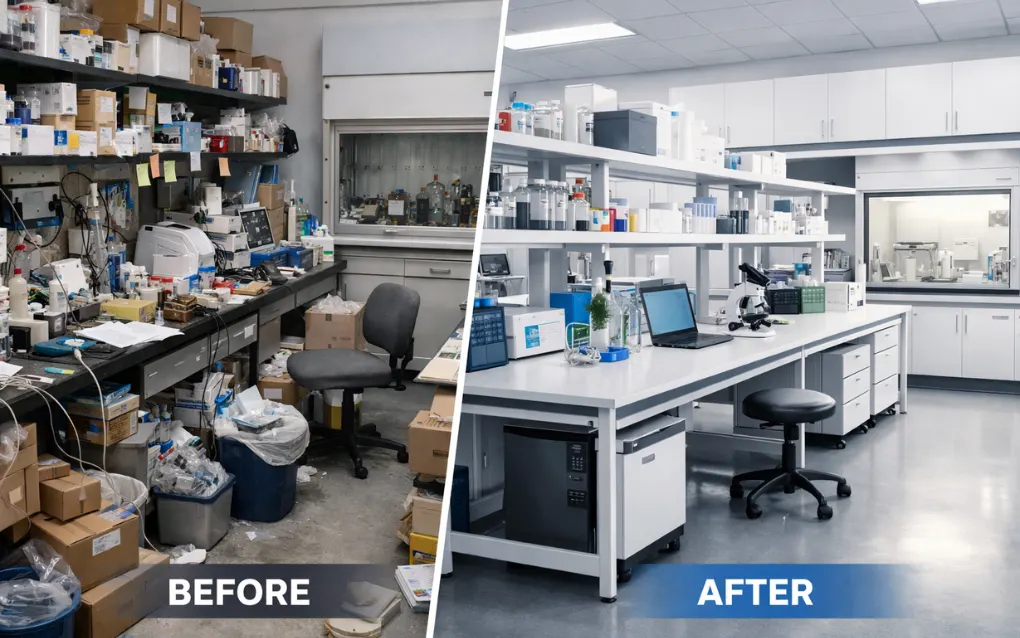
Research labs rarely have the luxury of focusing on just one thing. They need to look credible and organised, especially when collaborators, auditors, or senior stakeholders walk through the space. At the same time, they must support long hours of detailed work, equipment that changes over time, and teams that rarely work in isolation.
Problems start when design and function are treated as separate goals. A lab can look impressive on day one and still frustrate users within weeks. On the other hand, a lab built only around function often feels cluttered and outdated far sooner than expected.
This is where a laboratory furniture manufacturer plays a much larger role than many realise. Furniture decisions quietly shape how a lab feels and how smoothly work happens, long after installation is complete.
How Research Labs Are Actually Used Day to Day
Lab drawings tend to show clear zones and tidy workflows. Real labs behave differently.
People move back and forth more than expected. Equipment is shared between teams. Samples pass through multiple stages, sometimes faster than planned, sometimes slower. Temporary setups appear and stay longer than anyone intended.
Day-to-day lab use often involves:
- Short, repeated movements rather than long, planned routes
- Several people using the same bench at different times
- Equipment being repositioned as work evolves
- Storage filling up faster than expected
When furniture layouts don’t reflect this reality, teams adapt. Over time, those adaptations become normal, and inefficiency becomes part of routine work.
The Design Pressures Shaping Modern Research Labs
Design expectations for labs have shifted. Clean visuals, open layouts, and a sense of order are now common requirements, not optional extras. Institutions want labs that reflect innovation and professionalism.
The challenge appears when design decisions are made without considering how the space will actually be used. Open layouts may look good but struggle with containment or noise. Minimal storage keeps spaces visually calm but pushes materials onto work surfaces. Fixed layouts may suit current work but resist change.
Good lab design doesn’t compete with function. It quietly supports it.
Functionality as the Backbone of Lab Performance
Functionality shows up in the smallest details. How far someone has to reach for equipment. Whether a bench height suits long hours of standing. How easily tools return to their place after use.
Furniture directly influences:
- Physical comfort during extended work
- How quickly tasks move from one step to the next
- Whether people work smoothly or keep adjusting their position
When furniture fits the work, it fades into the background. When it doesn’t, people notice it constantly.
Where Design and Functionality Commonly Clash
Many issues only appear once the lab is occupied.
Typical friction points include:
- Open spaces that don’t provide enough separation
- Fixed benches that limit equipment upgrades
- Finishes chosen for appearance rather than durability
- Storage placed for symmetry instead of access
These conflicts rarely stand out on drawings. They reveal themselves through daily use, which is why early furniture planning carries so much weight.
The Role of a Laboratory Furniture Manufacturer in Resolving This Balance
A capable laboratory furniture manufacturer does more than supply components. The real value lies in translating design intent into setups that work under real conditions.
That involves:
- Understanding how research teams actually operate
- Working alongside architects and consultants early
- Ensuring furniture aligns with utilities and services
- Designing systems that can adapt without major rework
When manufacturers act as partners rather than suppliers, the gap between design and function becomes much easier to manage.
Why the C Frame System Supports Both Design and Performance
The C-frame system has gained attention not because it looks modern, but because it solves practical problems without compromising appearance.
From a structural point of view, it offers:
- Strong support without bulky construction
- Clear access under benches for services
- Easier changes compared to fixed masonry systems
Visually, it keeps labs open and organised. Functionally, it allows adjustments as research needs shift. That balance makes it a practical choice for evolving lab environments.
Flexibility as a Design Principle, Not an Afterthought
Research work changes faster than interiors. New equipment arrives. Projects evolve. Teams expand or reorganise.
Furniture systems that allow:
- Bench relocation without disruption
- Addition of modules as needs grow
- Storage changes without rebuilding
help protect both function and design investment. Flexibility isn’t about constant change. It’s about avoiding forced compromises when change becomes unavoidable.
Safety, Compliance, and Design Compatibility
Safety is often seen as something that limits design. In practice, the opposite is true when furniture planning is done well.
Furniture supports safety by:
- Keeping movement paths clear
- Maintaining proper spacing around equipment
- Integrating containment solutions without clutter
When safety is part of the layout, people follow protocols naturally. When it isn’t, shortcuts start appearing just to keep work moving.
Planning Labs That Age Well
Labs don’t stay new for long. Wear, upgrades, and changing demands test every early decision.
Furniture that holds up over time usually:
- Uses materials suited to real lab exposure
- Maintains stability through years of use
- Allows maintenance and upgrades without disruption
A lab that works well after years of operation reflects thoughtful planning, not just good design.
What Research Teams Notice When the Balance Is Right
When design and function align, the difference feels immediate.
Teams notice:
- Less rearranging of benches and equipment
- Fewer interruptions during tasks
- Easier onboarding for new staff
- A space that feels intuitive rather than restrictive
These changes aren’t dramatic, but they shape daily experience in meaningful ways.
Design That Works Is Design That Lasts
In research labs, design and functionality are not opposing ideas. They depend on each other. A lab that looks good but slows work quickly loses value. A lab that functions well but ignores design often struggles to keep pace with expectations.
An experienced laboratory furniture manufacturer, supported by systems like the c frame system, helps research labs find this balance. When furniture reflects how work actually happens, design becomes more than appearance. It becomes a long-term asset that supports research every day.