
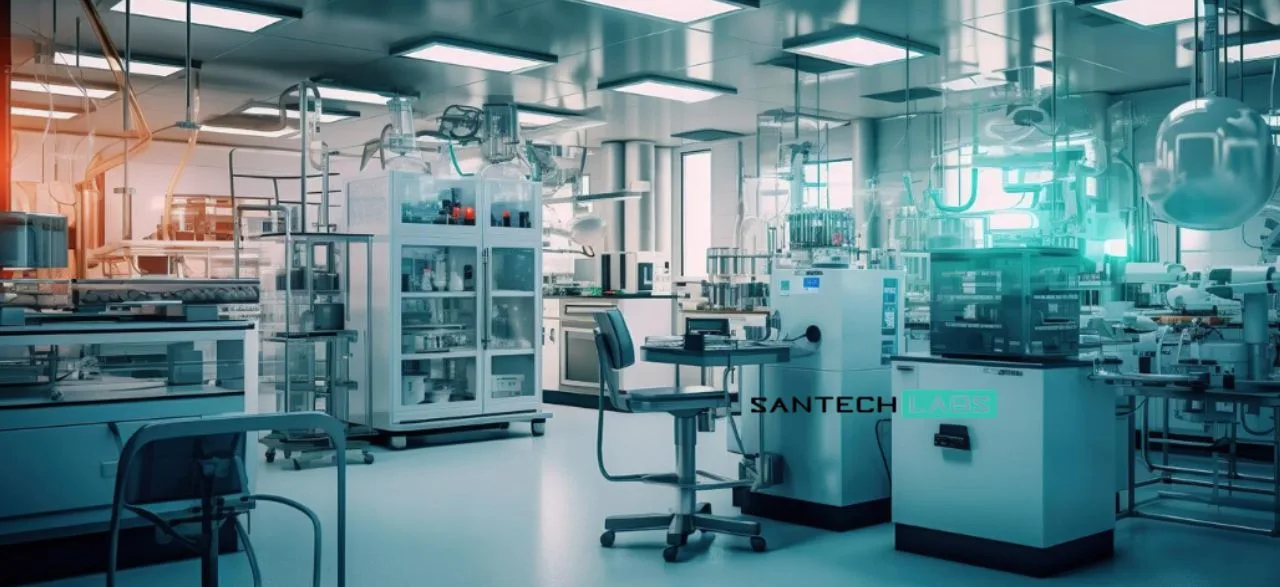
Designing a first lab often feels straightforward at the start. You have a space. You have a list of equipment. You have drawings that look neat and complete. Everyone feels confident once the layout is approved. Then the lab starts running.
That’s when the friction shows up. People keep walking back and forth for basic things. Items sit on benches longer than they should. Someone blocks a path without realising it. None of this looks dramatic. It just slows everything down, day after day.
Most first laboratory furniture doesn’t fail. It just never feels comfortable working in. And that usually traces back to early decisions that seemed small at the time.
First Lab Design: Where Most Teams Go Wrong
The biggest mistake is assuming a lab works the way it looks on a drawing. In reality, labs are busy. People cross paths constantly. Two tasks happen at once. Someone waits for equipment while someone else passes through the same space. Even a calm lab has movement all the time.
First-time designs often assume:
- Work happens in a clean sequence
- One person uses a space at a time
- Storage can be shared without slowing work
- Safety zones won’t interfere with movement
These assumptions hold for about a week. After that, people start adjusting. They stand where they shouldn’t. They take shortcuts. Not because they want to, but because the space pushes them there.
Laboratory Furniture Decisions That Create Long-Term Issues
Laboratory furniture gets locked in surprisingly late in many projects. By then, the layout and services are already fixed, so the furniture has to adapt instead of lead.
That’s when everyday discomfort creeps in. Benches feel just a bit too deep. Storage is technically available but awkward to reach. Aisles meet standards but feel tight once stools, carts, and people are in place.
What usually follows is quiet improvisation:
- Boxes kept under benches “for now”
- Extra racks added later
- Items left on worktops because putting them away slows work
None of this feels like a big problem on its own. But together, it turns a clean lab into a cluttered one within months.
Layout Flow That Fails Under Real Workload
Layouts don’t break on the first day. They break when things get busy. When workload increases, everything overlaps. Two people need the same zone. Samples move faster. Equipment gets used back-to-back. A layout that felt fine suddenly feels crowded.
Common pressure points show up quickly:
- Wet work creeping into dry zones
- Equipment placed where people naturally walk
- Storage too far from where materials are used
- Workstations competing for the same space
Good layouts don’t assume perfect behaviour. They allow for overlap, hesitation, and shared use without forcing people into awkward workarounds.
Plinth System Planning That Impacts Hygiene and Durability
The Plinth System is rarely discussed with much interest, but it becomes very noticeable once the lab has been running for a while.
Without a proper plinth, cleaning becomes a daily annoyance. Spills slip under cabinets. Dust collects in places no one can reach properly. Over time, lower cabinet sections start showing wear that shouldn’t be there.
A proper plinth system quietly solves a lot of this:
- Cleaning is faster and more effective
- Spills don’t travel where they shouldn’t
- Furniture stays intact longer
- Hygiene is easier to maintain without extra effort
Fume Hood Placement That Affects Safety and Airflow
A Fume Hood placed in the wrong spot makes itself known very quickly. It blocks movement. It sits too close to a door. Airflow behaves oddly. Working in the hood feels cramped or uncomfortable. People start avoiding it unless they have to.
Most of these issues come from treating the hood like any other cabinet. It isn’t. It needs space around it, clear access, and a stable airflow environment.
When planned early, a hood fits naturally into the workflow. When added later, it often feels like it’s in the way, even though it’s essential.
PP Cabinets Use Cases and Chemical Storage Discipline
PP cabinets tend to be misunderstood in the first labs. Either they’re specified everywhere to be “safe”, or they’re used correctly but placed far from where chemicals are actually handled. Both approaches cause problems.
When storage is inconvenient, people create temporary solutions. A bottle stays on the bench. Something gets placed “just for now”. Over time, those temporary habits become routine.
Chemical storage works best when:
- The cabinet material matches the chemical risk
- Segregation is clear and practical
- Storage is close to where chemicals are used
Vendor Selection That Decides Execution Quality
The choice of a Lab furniture manufacturer shapes how smoothly everything comes together on site.
Some manufacturers simply deliver what’s drawn. Others question it. They point out clashes, suggest changes, and coordinate with service teams before installation starts.
In a first lab, that difference matters. Once installation begins, fixing layout issues becomes expensive and disruptive. The right manufacturer helps avoid those problems before they reach the site.
Design Decisions That Block Future Expansion
Many first labs are designed tightly around current needs. Expansion is assumed to be a future problem.
Then requirements change. New equipment arrives. Processes evolve. Suddenly there’s no space, no services, and no easy way to adapt.
Future-ready planning doesn’t mean oversizing everything. It means avoiding rigid choices:
- Fixed furniture that can’t move
- No allowance for additional services
- Layouts that only work one way
Flexible Laboratory furniture and a bit of breathing room go a long way later.
A Practical Pre-Final Checklist for First-Time Lab Projects
Before drawings are frozen, it helps to slow down and look at the lab as if it’s already in use.
Think through real scenarios:
- Two people working in the same zone at the same time
- Busy days with samples moving constantly
- Cleaning staff accessing every corner
- Future equipment needing space
Check whether Plinth System, Fume Hood, and PP cabinets actually support hygiene, safety, and movement together, not just individually. Make sure walkways still work once stools, carts, and bins appear. These are the checks that catch problems before they become permanent.
Final Thoughts
Most first-lab issues come from small layout and furniture decisions made too late. If laboratory furniture, safety elements, and storage are planned together from the start, the lab runs smoother, stays cleaner, and feels easier to manage. A bit of practical planning now saves a lot of fixing later.