
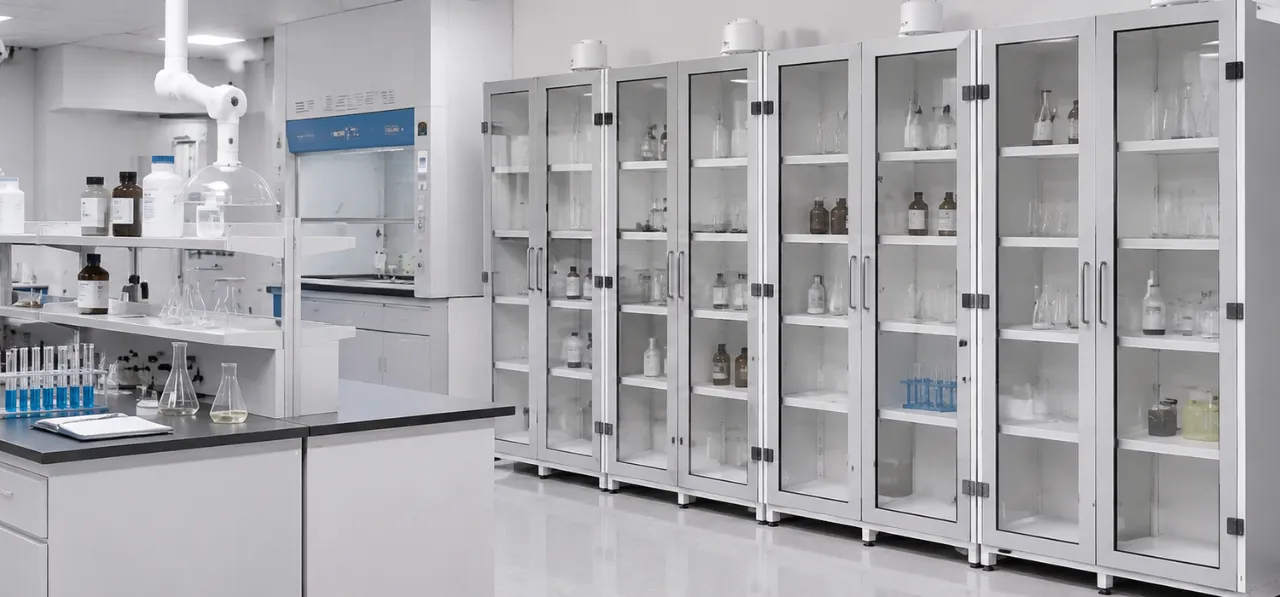
Laboratory chemical storage cabinets are one of the most significant aspects of the modern lab interior. They keep flammables in the right place, help separate incompatible chemicals, and stop worktops from becoming a random holding area for containers. In a busy lab, that kind of order is not a small detail. It is part of what keeps the space safe and usable.
Why Chemical Storage Cabinets Matter So Much
A laboratory can be well planned in almost every other way and still have a weak point if chemical storage is not handled properly. Flammable liquids need approved cabinets, and chemicals should not be stored just because they are nearby or easy to reach. That is where laboratory storage cabinets become essential. They create a controlled home for the substances that should never be left scattered around the room.
They also help staff work more confidently. When storage is predictable, the room feels calmer, and daily routines become easier to follow. That may sound simple, but in a working lab, simple often makes the biggest difference.
What Good Laboratory Chemical Storage Cabinets Should Do
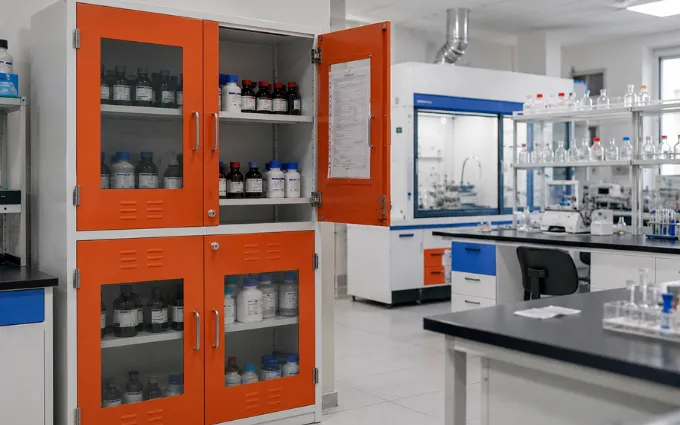
The best laboratory chemical storage cabinets do more than hold bottles. They help people store chemicals in a way that makes sense, reduces clutter, and supports safer habits without adding extra effort. They should keep materials grouped properly, stay secure, and make access straightforward.
A good cabinet should usually:
- Keep chemicals grouped by compatibility
- Close securely and stay in place
- Support routine cleaning
- Fit the type of material being stored
- Help keep walkways and worktops clear
That last point is easy to miss. A cabinet may look fine on paper, but if it is awkward to use, people begin making shortcuts. And shortcuts in storage have a habit of becoming normal before anyone notices.
Why Material Choice Matters
Different labs need different cabinet materials. In the case of corrosive conditions, the use of PP laboratory cabinets is the best option as it resists chemicals and water. Therefore, in such conditions, the PP laboratory cabinets can play an important role when metal ones cannot last long enough.
Here, the cabinet is used to protect, which makes its construction and other characteristics very important. The corrosive area requires specific features from the cabinet; therefore, it may seem fine at first, but become problematic due to its inability to withstand chemicals.PP cabinets are often chosen because they are practical, durable, and easier to maintain in those conditions.
Not Every Chemical Should Sit In The Same Cabinet
This may sound obvious, but it is one of the areas where labs still get things wrong. Flammables, corrosives, oxidisers, and general chemicals should not all be handled the same way. A cabinet for one type of chemical is not a safe substitute for another.
That is why storage cabinets should always be chosen with the contents in mind. A cabinet for flammables is different from a cabinet for acids, and a general-purpose unit is not the right answer for either. The safest setup starts with understanding what is being stored, how often it is accessed, and what kind of risk it creates in the room.
Placement Is Just As Important As The Cabinet Itself
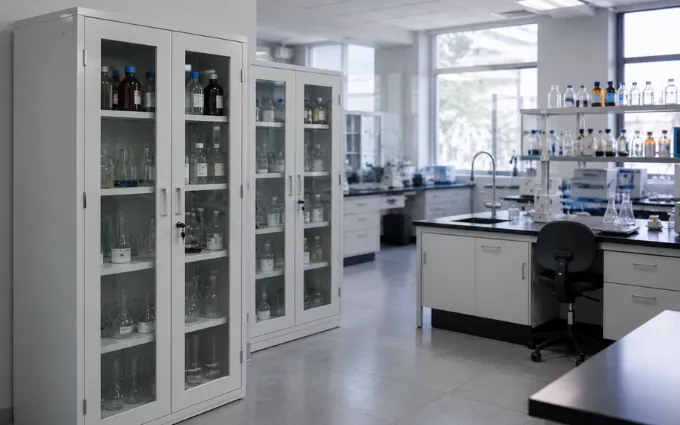
Even a well-built cabinet can cause problems if it is placed badly. A cabinet should support the workflow, not interrupt it. It should sit where people can access it easily without blocking movement or turning a clear space into a bottleneck.
This is one reason many labs plan storage as part of the full furniture layout. A well-placed cabinet makes the room easier to use. A badly placed one gets in the way, even if the product itself is perfectly good. In a busy laboratory, that difference matters more than it first seems.
How To Choose Better Cabinets For A Modern Lab
Choosing the right cabinet is not only about the material. It is also about how the cabinet fits into the wider lab. The right supplier should understand compatibility, access, cleaning, and room flow, not just the product itself.
A useful buying checklist looks like this:
- Identify the chemical groups being stored.
- Match the cabinet type to the chemical type.
- Check whether the material suits corrosive or flammable storage.
- Make sure the cabinet fits the room layout and access pattern.
- Confirm that cleaning and inspection will be straightforward.
That last point is often underrated. A cabinet that is hard to inspect becomes hard to trust.
Why The Right Manufacturer Matters
The best results usually come from working with laboratory furniture manufacturers in India that understand how laboratories actually operate. A good manufacturer does not just sell a cabinet. It helps match the cabinet to the workflow, the chemicals, and the room.
Some manufacturers, including Santech Labs, treat storage as part of a wider modular laboratory furniture system. That kind of joined-up thinking is useful because cabinets do not work on their own. They need to fit with benches, hoods, and the rest of the room around them. When those pieces are planned together, the lab usually feels more controlled and less improvised.
Final Thought
Laboratory chemical storage cabinets are essential because they play a critical role in maintaining laboratory safety and organization. They help store hazardous chemicals securely, prevent accidental spills, and ensure incompatible substances are kept separate to reduce risks. Properly selected and positioned cabinets also improve workflow efficiency, compliance with safety regulations, and overall workplace safety. This is why investing in high-quality storage solutions from trusted laboratory furniture manufacturers in India is important for creating a safe, efficient, and compliant laboratory environment.