
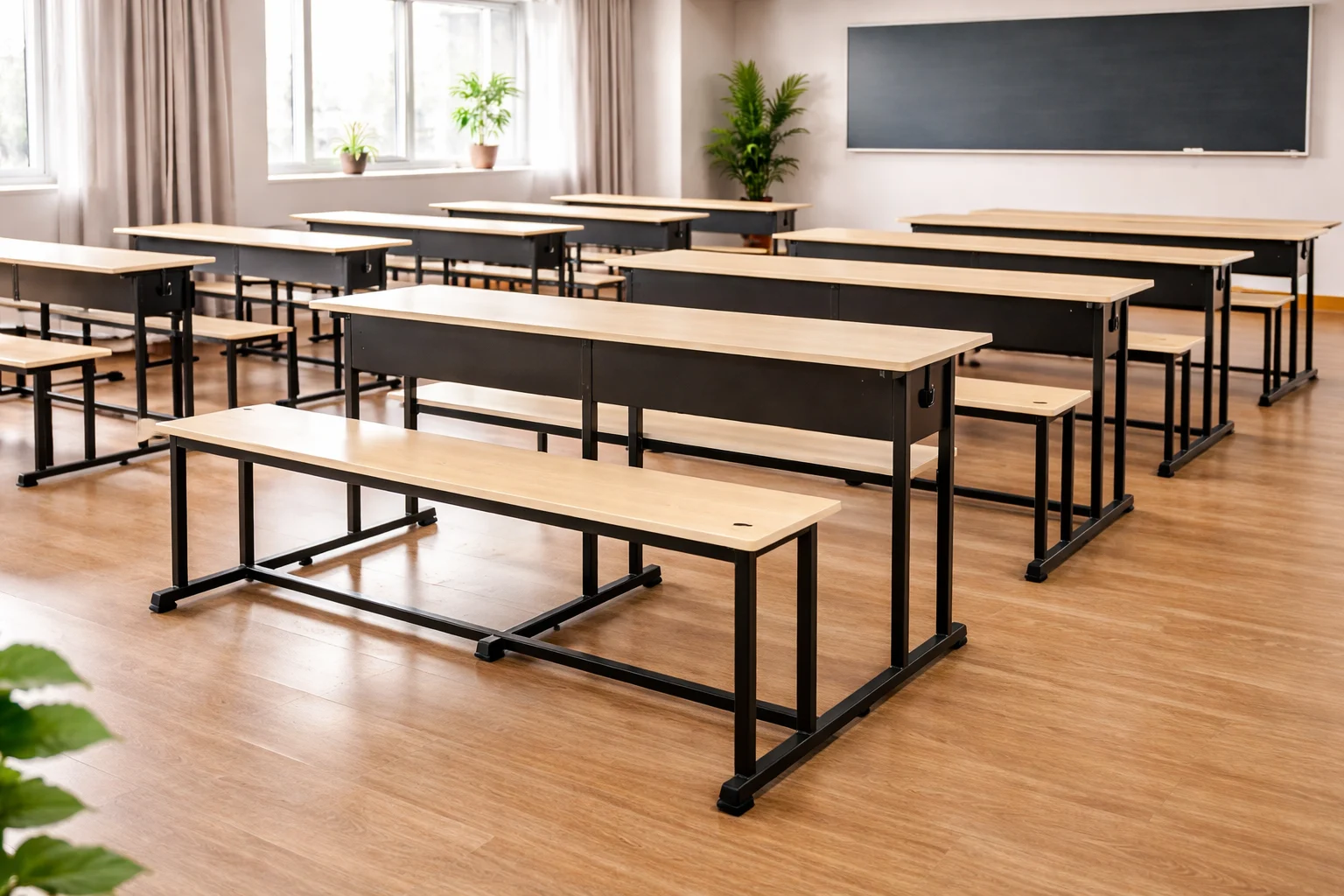
Choosing durable classroom furniture is not only about finding pieces that look good in a room. It is about making sure they can handle daily use, stay practical, and still fit the budget. Schools and colleges need furniture that lasts, but they also need smart spending. In this article we will discuss the simple things that matter most when buying classroom furniture, so the right choices are easier to make without overspending.
Begin With the Real Purpose of the Room
Before looking at colours or finishes, you should consider how the room will actually be used. A primary classroom does not need the same setup as a college lecture hall. A lab room, library corner, or staff meeting area all need different things.
A few simple questions make the decision easier:
- How many people use the room each day?
- Will the furniture stay in one place or move often?
- Is the room used for teaching, meetings, study, or group work?
- Do the users need more comfort, more storage, or more open space?
Once these things are clear, it becomes much easier to choose the right classroom furniture without paying for features that will never be used.
Look Beyond the Price Tag
A low price can look attractive at first. But cheap furniture often costs more later because it wears out too soon. A table with a weak frame, a chair with poor support, or a finish that chips quickly will need replacing far earlier than expected.
That is why material matters.
What to check first
- Frame strength: Metal frames often hold up better in busy school settings.
- Surface quality: An educational desk should be easy to clean and hard to damage.
- Edges and joints: Smooth edges and tight joints are important for safety and long use.
- Finish: A good coating helps the furniture handle cleaning and everyday wear.
At Santech Labs, our classroom furniture range is built with practical use in mind, with options suited to schools, colleges, labs, and shared learning spaces. That kind of thinking helps schools avoid repeat spending on short-life products.
Choose Furniture That Fits the Age Group
This part is often missed, but it makes a big difference. Furniture should suit the students using it. A desk that feels fine for college learners may be awkward for younger children. A chair that is too high, too low, or too heavy can make the room harder to use.
A good educational desk should support natural posture. A revolving chair for staff or faculty use should feel stable and comfortable enough for longer periods. The goal is not just to fill the room, but to make the room easier to work in.
When furniture fits the age group well, students sit better, move less awkwardly, and spend more time focused on learning.
Think in Terms of Long-Term Value
Overspending is not always about buying too much. Sometimes it happens when schools buy the wrong thing and have to replace it time and again.
Long-term value usually comes from a few smart choices:
- Pick sturdy designs over trendy ones: A simple, solid design usually lasts longer and ages better.
- Use furniture that can handle frequent cleaning: Schools need surfaces that stay neat without much effort.
- Choose flexible pieces: A desk or table that works in more than one room gives better value.
- Keep a consistent style where possible: It makes ordering, repairs, and replacements easier later.
A conference table, for example, can be useful in staff rooms, meeting spaces, and training areas. One well-made table can do more than one job, and that is where savings start to appear.
Do Not Ignore Comfort
Durability matters, but comfort matters too. If a chair feels hard, unstable, or badly shaped, people notice. They may not complain at once, but the discomfort shows up in posture, concentration, and how long they can sit properly.
That is why seating should always be tested, not guessed. A revolving chair for office or faculty use should move smoothly and support everyday work without feeling flimsy. Classroom chairs should feel steady and easy to manage. Good furniture should almost disappear into the background. It should support the work, not distract from it.
Check the Practical Details Before Placing the Order
A brochure can say all the right things, but the real test comes from use. Before buying, it helps to look closely at the details that matter most.
A useful checklist
- Is the furniture stable on a normal floor?
- Do the joints feel strong?
- Are the edges smooth and safe?
- Is the surface easy to wipe clean?
- Will the size suit the room and the users?
- Can it handle daily movement and handling?
- Does the supplier offer reliable support?
These questions may sound basic, but they save trouble later. Furniture that looks fine in a catalogue can feel very different once it is used every day.
Buy for the Whole Space, Not Just One Room
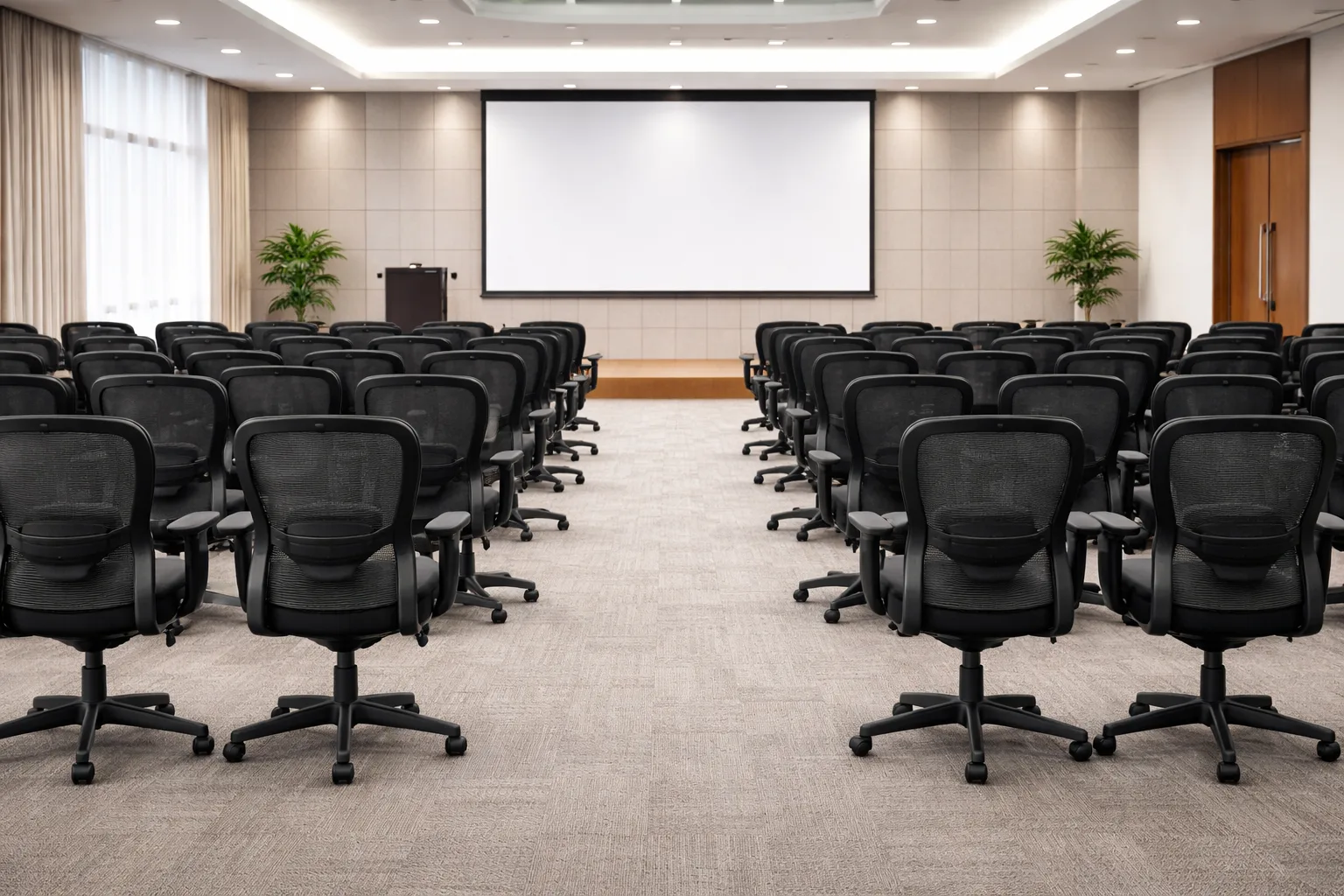
A school or college usually needs more than classroom desks and chairs. There are staff spaces, meeting areas, seminar rooms, computer labs, and common rooms too. When the furniture plan covers only one corner of the building, the budget often gets stretched later to fill the gaps.
This is where planning ahead helps. Matching classroom furniture with items can make the whole space feel more organised and easier to manage. It also avoids the messy habit of buying pieces one by one, which usually costs more over time.
A Simple Way to Decide Well
When the choice feels too wide, we suggest a short rule:
- Start with use
- Check strength
- Match the age group
- Compare long-term value
- Buy only what the room really needs
That approach keeps the process clear. It also keeps the budget under control.
Final Thoughts
Choosing durable classroom furniture without overspending is really about making sensible choices. The strongest option is not always the most expensive one, and the cheapest one is rarely the best deal. The right furniture should last, support daily learning, and fit the space without creating extra maintenance.
At Santech Labs, we focus on classroom furniture that can handle real school life. Whether it is an educational desk, a revolving chair, or a conference table for shared spaces, the aim is the same. Build for everyday use, spend with care, and choose furniture that still feels like a smart decision long after the installation is done.