


Think about a normal workday. What do you spend most of your time using? Your chair. Most people hardly notice their office furniture until something starts to feel uncomfortable. That slight discomfort can slowly turn into back pain, neck strain, and other long-term health issues.
Modern workplaces are beginning to understand this better. Ergonomics and safety now matter just as much as design and appearance. For companies involved in chair manufacture, the goal is not only to create something that looks good in an office. The furniture also needs to support the people who use it every day. As organisations focus more on employee well-being, ergonomic and safe office furniture has become essential rather than optional.
Why Ergonomics and Safety Matter in Furniture Design
Ergonomics helps furniture work with the body, not against it. Safety keeps users protected from the risks that come with unstable builds, sharp edges, or low-quality materials. Both matter because people use office furniture on repeat, every day.
Health and Well-being
Bad seating doesn’t always hurt straight away. It builds up. A chair with weak back support can push the spine into awkward positions for hours. Over weeks and months, that strain shows up as back pain, neck tension, and shoulder stiffness.
This is why manufacturers now pay closer attention to posture support. A chair that helps the spine sit naturally can reduce stress on the body and make long sitting hours feel less punishing.
Increased Productivity
Comfort affects attention. When someone keeps shifting, slouching, or getting distracted by discomfort, work slows down. Not dramatically, but consistently.
An ergonomic chair supports the body so the user can focus on the task, not their posture. Reduce physical strain, and you usually see steadier concentration across the day.
Safety Features
Comfort means little if the chair feels unsafe. Workplace furniture should not create risks through poor structure or bad placement.
A stable chair and a dependable desk reduce the chance of sudden slips or awkward injuries. Pedestal furniture helps here too. It keeps storage organised, reduces clutter, and clears floor space, which makes the whole work area safer to move through.
Ergonomics in Furniture Design: More Than Just Comfort
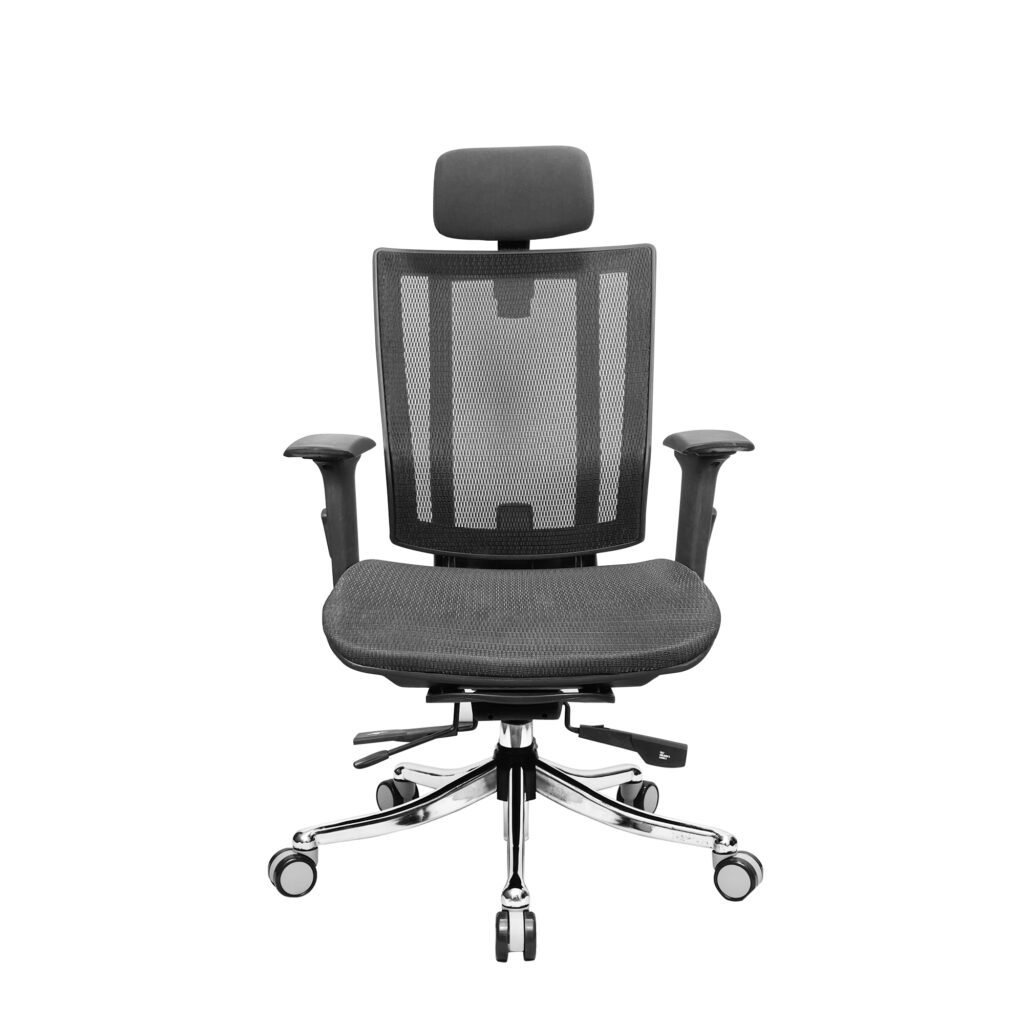
People often treat ergonomics as a “soft” feature, like it’s only about cushioning. It’s more practical than that. Ergonomics supports posture, movement, and how easily someone can work without physical strain.
Key elements of ergonomic furniture
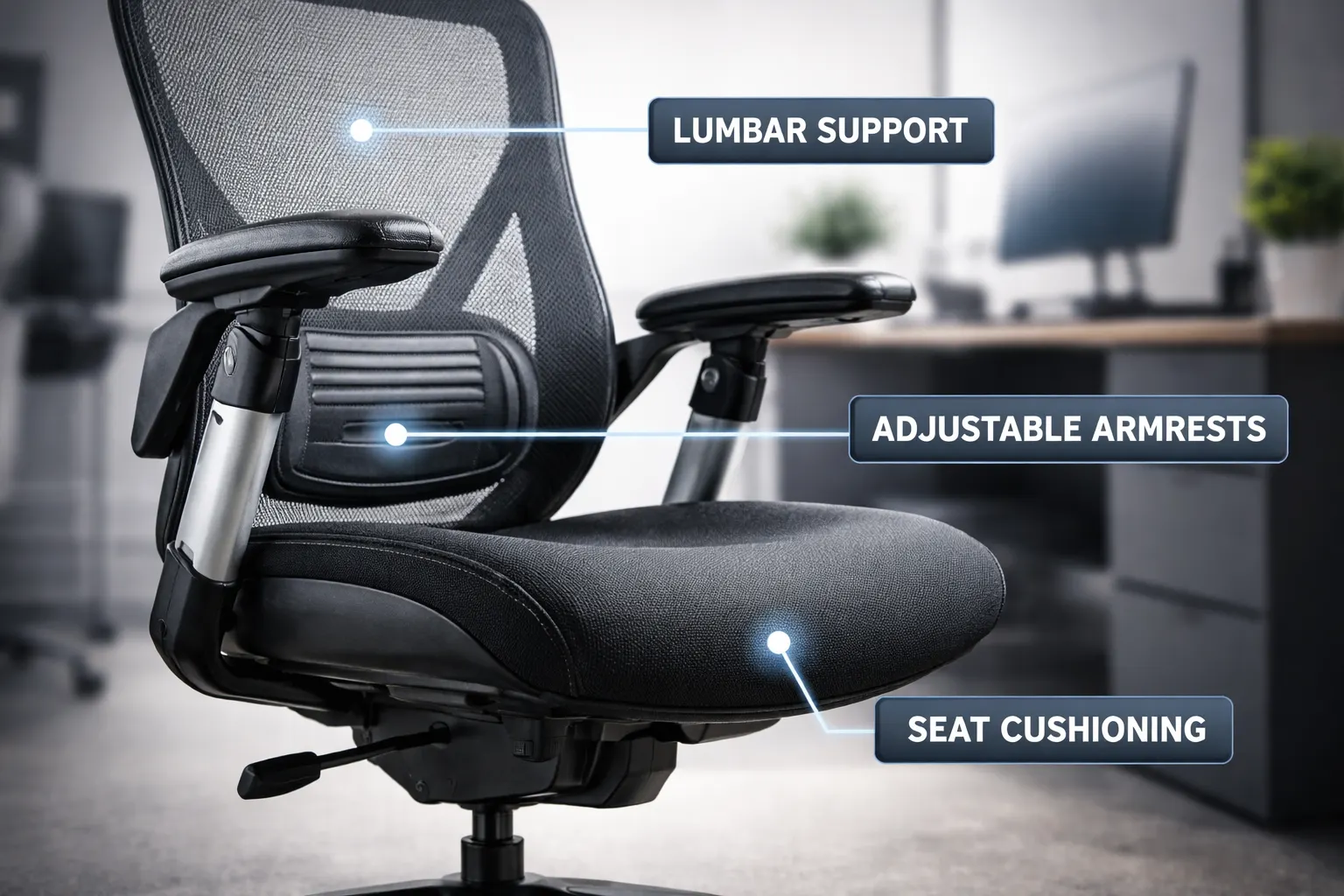
Lumbar Support: Lower back support keeps the spine in a healthier position and reduces fatigue during long sitting hours.
Seat Depth and Width: The right seat size prevents circulation issues and helps users sit back properly without leaning forward.
Armrests: Adjustable armrests support shoulders and arms, which can reduce tension in the neck and upper back.
When manufacturers build around these features, they create furniture that supports comfort and long-term health, not just short-term softness.
Safety in Furniture Design: A Critical Element for Modern Workspaces
Workplace furniture must handle daily use without turning into a hazard. Safety needs to be part of the design, not an afterthought.
Stability and Durability
A chair that wobbles is not only annoying. It’s risky. The same goes for desks that feel unstable. People lean, swivel, shift, and move all day. Furniture needs to stay steady through all of it.
A strong build reduces accidents and also extends the furniture’s usable life. That matters to workplaces that want consistent performance, not constant replacements.
Non-toxic Materials
Safety also depends on what goes into the chair manufacturing process. Offices are enclosed spaces. People spend long hours there. Materials should not release harmful chemicals that affect indoor air quality.
Using safer materials supports a healthier workplace, especially for teams who spend most of the week indoors.
Pedestal Furniture and Safety
Pedestal units rarely get attention, but they quietly solve a common office problem: clutter. When storage spills onto the floor, trips happen. When paperwork piles up around desks, movement becomes awkward.
Pedestal units keep essential items stored neatly and reduce the mess that creates hazards in the first place.
Pedestal Furniture: Ergonomics Meets Storage and Safety
Pedestal furniture might seem like a small detail, but it plays a bigger role than people think. It supports both organisation and day-to-day comfort.
Space Efficiency
Pedestal units keep storage close without taking over the workspace. When everything has a place, workstations feel calmer and easier to use.
This also supports ergonomics. If employees can reach what they need without twisting around or leaning across desks, they move better and work more smoothly.
Preventing Tripping Hazards
Loose items on the floor create avoidable risks. Bags, files, boxes, even cables. It only takes one busy moment for someone to trip.
Pedestal furniture helps prevent this by lifting storage off the floor and keeping walkways clearer, especially in shared office areas.
How Ergonomics and Safety Are Driving the Future of Furniture Manufacturing
Workplace expectations have changed. Employers want healthier teams. Employees want comfort that lasts. This pushes furniture design forward in practical ways.
The Demand for Ergonomics
Businesses now connect comfort with performance. They want chairs and desks that support posture and reduce strain, because tired bodies rarely do great work.
As a result, ergonomic furniture has become a standard part of office planning, not an upgrade for a few.
Safety Features Becoming Standard
More manufacturers now build in safety features from the start. Rounded corners, stable bases, reliable mechanisms, and surfaces that feel secure are becoming normal expectations.
Pedestal furniture supports this shift by reducing floor clutter and keeping storage contained, which makes offices cleaner and safer.
The Future of Furniture Manufacturing
The next wave will likely focus on smarter functions and better support. Not just chairs that look sleek, but chairs that actively suit different body types and working styles.
From improved storage systems to seating that encourages healthier posture habits, the future of office furniture will continue moving toward comfort and safety together.
Conclusion: Prioritising Ergonomics and Safety in Furniture Design
Ergonomics and safety are no longer optional in modern offices. People sit for long hours, and furniture shapes how they feel by the end of the day.
For anyone in chair manufacturing, the goal should be clear: build chairs that support the body, stay stable through daily use, and protect users through smart design choices.
When ergonomic seating works alongside pedestal furniture that keeps spaces organised and clear, offices feel safer, cleaner, and easier to work in. And that is exactly what workplaces need more of now.


