
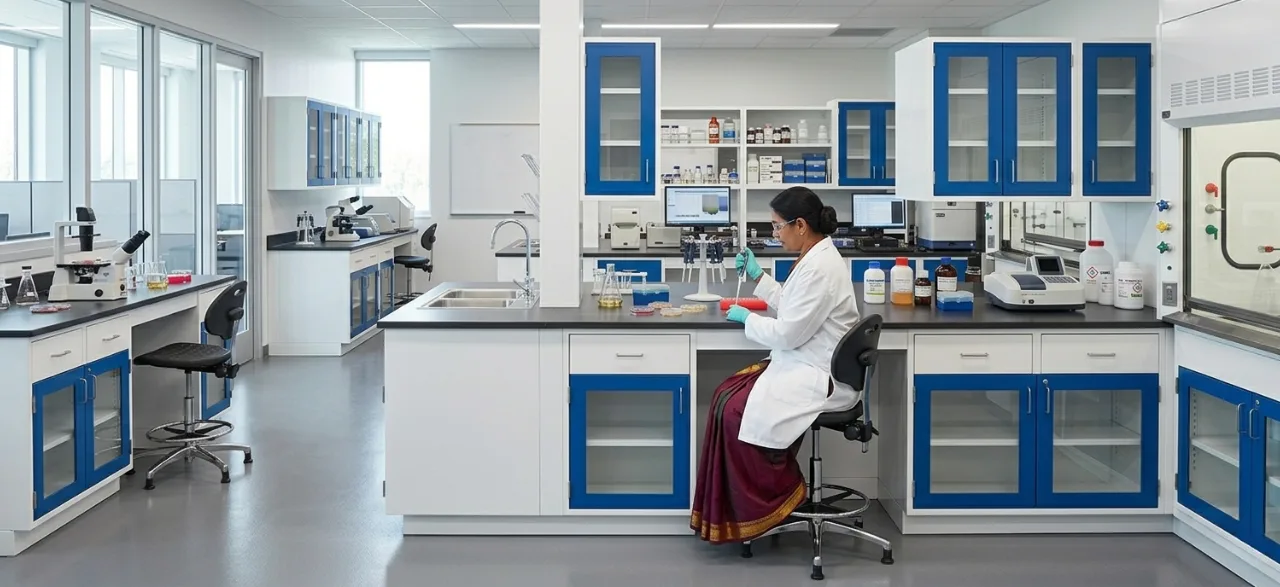
Choosing the right storage cabinets for a lab is one of those decisions that quietly affects everything else. It shapes how smoothly people work, how safely materials are stored, and how organised the space feels from morning to evening. A cabinet can look fine on paper and still cause problems later if it does not suit the lab’s workflow, materials, or available space.
This guide to choosing storage cabinets is meant to make that choice easier. Whether you are fitting out a new lab or replacing outdated furniture, the real goal is simple: choose storage that supports the work, rather than getting in the way of it.
Understand What the Cabinet Needs to Do
Before looking at colours, sizes, or finishes, start with the job the cabinet has to perform. In a lab, storage is never just storage. It is part of the working system.
A storage cabinet may need to hold:
- PPE and consumables
- Glassware and small tools
- Chemicals or cleaning agents
- Sensitive or regulated materials
- Equipment that needs secure, tidy storage
Once the purpose is clear, the decision becomes much more practical. A cabinet for routine supplies has very different needs from one storing flammable liquids or corrosive substances. That is why any good Guide to Choosing Storage Cabinets should begin with use, not appearance.
Choose the Right Type of Storage Cabinet

Not every cabinet suits every task. Some are designed for everyday organisation, while others are built for safety, separation, or special handling. This is where many buyers go wrong. They select a cabinet appropriate for the room, but not appropriate for actual usage.
Types of cabinets:
- Storage cabinets for general purposes
- Chemical separation cabinets
- Cabinets for flammable liquid storage
- Gas cylinder storage cabinets
- Wall cabinets for space-saving
- Base cabinets for space-saving
- Tall cabinets for vertical space-saving
- Mobile cabinets for flexibility
The correct selection will depend on the way the laboratory operates. For instance, if the equipment is used throughout the day, accessibility is crucial. If the equipment has sensitive properties, safety will play a major role.
A storage cabinet should suit the way people work, not force the lab to adapt around the cabinet.
Think Carefully About Materials
The material of the cabinet affects durability, cleaning, and how well it stands up to the lab environment. It is easy to focus on the outer look, but the material often decides how long the cabinet will last.
Typical material choices include:
- Steel, which is strong and widely used for general lab storage
- Stainless steel, which works well where hygiene and corrosion resistance matter
- Epoxy-coated steel, which adds extra protection in demanding conditions
- Phenolic resin, which suits more specialised environments
- Polyethylene, which is often chosen for chemical resistance
There is no single best material for every lab. The right one depends on what is being stored, how often the cabinet will be cleaned, and how much wear it will face. In practice, the best Storage Cabinets are the ones that suit the environment first and the budget second.
Do Not Overlook Safety and Compliance
Safety is not an add-on in a lab. It is part of the storage decision from the beginning. Cabinets that hold hazardous or sensitive materials must support safe handling and meet the right standards for the space.
When evaluating a cabinet, you should look for:
- Fire resistance, if necessary
- Spill containment
- Strong locking mechanisms
- Product testing or certification
- Regulatory compliance
- Ventilation support if necessary for the application
A cabinet that complies with all requirements will make the lab a safer place without adding complexity to the work.
That balance matters. The best products feel dependable because they have been designed with real use in mind, not just with compliance in mind.
Give the Plinth System the Attention It Deserves
The plinth system is one of those details people often overlook until it starts affecting the finished result. It supports the cabinet from the underside, helps with alignment, and makes the installation look neater.
A well-thought-out plinth system can help with:
- Stability and correct position
- Neat appearance of the installation
- Cleaning the area around the furniture
- Better integration in the room design
In the world of the lab, such things matter more than you might think. A poorly thought-out plinth system can make even the sturdiest of cabinets look like it was just thrown in the room. A good Plinth System makes the whole setup look like it was done by a professional.
Make the Layout Work for the Workflow
Storage should support the way people move and work through the lab. If the layout fights the workflow, the cabinet becomes a nuisance no matter how well it is built.
When planning laboratory storage cabinets, think about:
- Which items need the fastest access
- Whether the cabinet blocks movement
- How it sits beside benches, sinks, or equipment
- Whether it improves or weakens the flow of work
- How flexible the layout needs to be later
Good lab storage saves time in small ways that add up. It reduces unnecessary movement, keeps frequently used items close at hand, and helps the room feel more organised. In a busy lab, that kind of calm efficiency is valuable.
Consider Who You Are Buying From
The cabinet itself matters, but so does the supplier behind it. A good partner does more than sell a product. They can assist you in selecting the most appropriate one.
A good supplier can offer you:
- Technical support
- Product information relevant to your lab
- Customisation
- Layout support
- After-sales support
This is where Santech Labs can make a difference for you. We will assist you in matching the cabinet to your lab, not just providing you with a standard product and stopping there.
Keep an Eye on 2026 Trends
Lab furniture is becoming more flexible and more thoughtful. In 2026, the strongest trends are around adaptability, efficiency, and sustainability. That means storage needs to work for today and still make sense tomorrow.
The trends to watch include:
- Modular storage that can adapt as needs change
- Better use of vertical and floor space
- More thoughtful workflow integration
- Sustainable material choices
- Cleaner, more efficient cabinet planning
These changes matter because labs never stay fixed. A good storage system should be able to keep up as the work changes.
Conclusion
Choosing storage cabinets for a lab is about more than buying furniture. It is about creating a space that works safely, efficiently, and with less daily friction. The right choice depends on the cabinet type, the material, the safety requirements, the Plinth System, and the way the furniture fits into the room.
A thoughtful Guide to Choosing Storage Cabinets should make the decision clearer, not more complicated. When the planning is done well, the result is storage that supports the lab quietly and consistently, which is exactly what good lab furniture should do.