
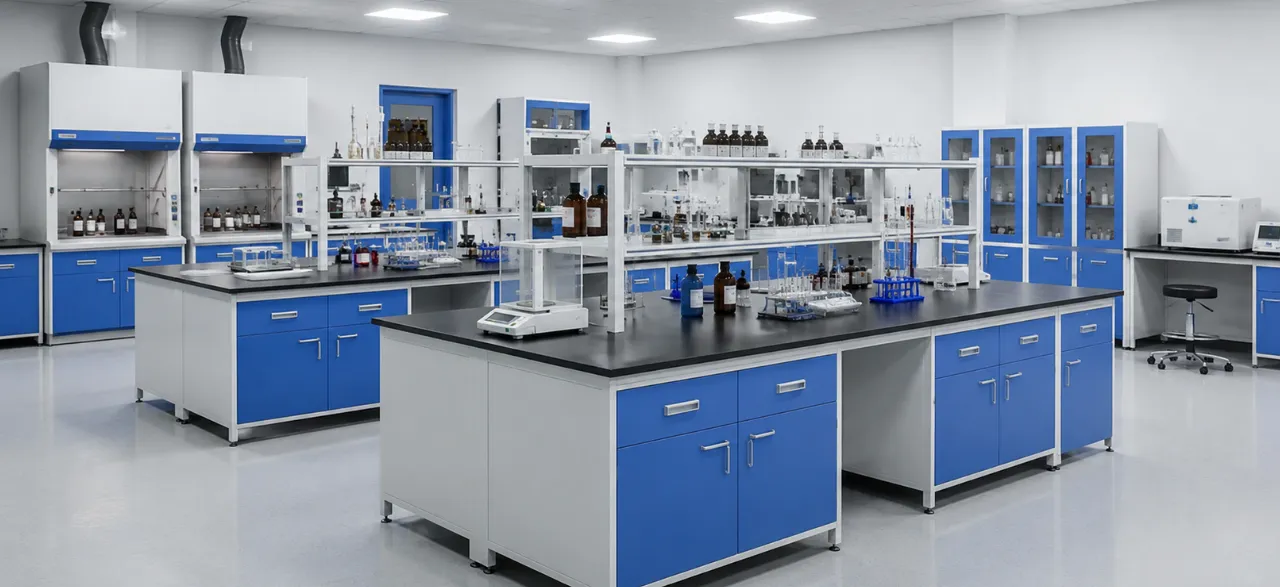
Choosing the right pharmaceutical lab furniture is essential for creating a safe, efficient, and compliant pharmaceutical testing laboratory. The right furniture supports laboratory workflows, provides suitable space for pharmaceutical laboratory equipment, and helps maintain clean, organised, and ergonomic work areas. Workbenches, fume hoods, storage cabinets, instrument tables, and utility systems should be selected according to the laboratory’s testing processes, safety requirements, and operational needs.
When selecting furniture for a pharmaceutical laboratory, key factors include chemical resistance, material durability, ease of cleaning, storage capacity, ergonomic design, utility integration, and flexibility for future expansion. Well-planned furniture can improve workflow efficiency, protect equipment and samples, simplify maintenance, and support GMP and other laboratory safety requirements.
This guide explains how to choose pharmaceutical lab furniture for testing labs, including the key selection factors, suitable materials, essential furniture types, and common mistakes to avoid. By choosing furniture based on your laboratory’s specific requirements, you can create a durable, organised, and future-ready testing environment.
Why Pharmaceutical Lab Furniture Matters for Testing Laboratories
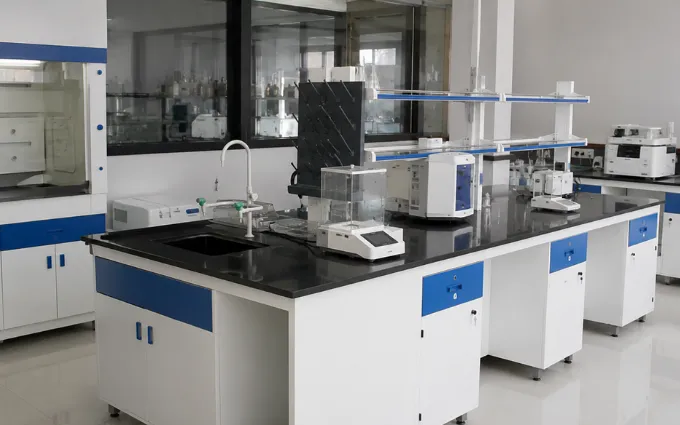
Pharmaceutical lab furniture plays an important role in creating a safe, organised, and efficient testing environment. It provides durable work surfaces, organised storage, ergonomic work areas, and suitable spaces for laboratory equipment, samples, chemicals, and other materials. Well-designed furniture also helps improve workflow, maintain cleanliness, and make better use of available laboratory space.
The furniture should also support future requirements. Modular pharmaceutical lab furniture can be reconfigured, expanded, or adapted as equipment, workflows, and testing needs change. For laboratories requiring durable, hygienic, and easy-to-maintain solutions, SS 304 Laboratory Furniture can be considered for suitable pharmaceutical laboratory applications.
Benefits of Choosing the Right Pharmaceutical Lab Furniture
- Improves laboratory workflow and operational efficiency
- Supports GMP compliance and laboratory safety requirements
- Provides durable and chemical-resistant work surfaces
- Creates organised storage for chemicals, samples, and supplies
- Provides suitable space for pharmaceutical laboratory equipment
- Simplifies cleaning and routine maintenance
- Improves ergonomics and staff comfort
- Allows future expansion through modular furniture
Selecting pharmaceutical lab furniture based on testing processes, equipment requirements, available space, and future needs helps create a safer, more productive, and easier-to-maintain laboratory environment. For a broader understanding of how pharmaceutical testing spaces should be planned, refer to our Pharmaceutical Lab Design Guidelines.
Key Factors to Consider Before Choosing Pharmaceutical Lab Furniture
Choosing pharmaceutical lab furniture should begin with a clear understanding of how the laboratory operates. The furniture should support testing workflows, accommodate pharmaceutical laboratory equipment, and meet the safety, hygiene, durability, and regulatory requirements of the facility. Before selecting workbenches, storage cabinets, fume hoods, or other laboratory furniture, consider the following factors.
Consider These Factors Before Making a Decision
| Key Factor | Why It Matters |
|---|---|
| Laboratory Workflow | Plan furniture around the movement of samples, equipment, and personnel to improve workflow, reduce unnecessary movement, and minimise the risk of cross-contamination. |
| Type of Testing | Choose furniture according to the laboratory’s function, whether it is Quality Control (QC), Research & Development (R&D), analytical, or microbiology testing. |
| Available Space | Provide adequate space for workstations, storage, pharmaceutical laboratory equipment, and safe staff movement to avoid overcrowding and improve operational efficiency. |
| Chemical Compatibility | Select worktops and furniture materials that can withstand the chemicals used in the laboratory, improving durability and reducing maintenance requirements. |
| Utility Integration | Ensure furniture provides convenient access to electrical outlets, gas lines, water connections, and data ports for a safe and organised workspace. |
| Future Expansion | Choose modular pharmaceutical lab furniture that can be expanded or reconfigured as laboratory requirements, workflows, and equipment change over time. |
Considering these factors before purchasing pharmaceutical lab furniture helps create a laboratory layout that supports efficient testing, safe equipment use, easy maintenance, and future operational requirements.
Selecting the Correct Materials
The materials used in pharmaceutical lab furniture directly affect durability, chemical resistance, hygiene, and ease of maintenance. Pharmaceutical testing laboratories regularly handle chemicals, liquids, samples, and cleaning agents, so work surfaces and furniture should be selected according to the specific requirements of each application.
Common Mistakes to Avoid When Choosing Pharmaceutical Lab Furniture:
Typical materials include:
- Stainless steel – Suitable for applications requiring corrosion resistance, hygiene, durability, and easy cleaning.
- Powder-coated steel – Provides a durable finish and is suitable for laboratory cabinets, storage units, and furniture structures.
- Epoxy resin work surfaces – Offer strong chemical resistance and durability for demanding laboratory applications.
- Phenolic resin work surfaces – Provide a durable and chemical-resistant option for laboratory workstations and testing areas.
- High-pressure laminate – A practical option for applications where durability, easy maintenance, and cost-effectiveness are important.
The suitability of each material depends on the chemicals used, testing processes, cleaning procedures, required hygiene levels, and expected operating conditions. Selecting the appropriate material helps pharmaceutical laboratories maintain durable, safe, and easy-to-clean workspaces.
Essential Pharmaceutical Lab Furniture for Testing Laboratories
| Laboratory Furniture | Purpose | Key Features | Recommended Material |
|---|---|---|---|
| Laboratory Workbenches | Sample preparation, testing, and routine laboratory work. | Chemical-resistant surface, utility integration, storage options. | Epoxy Resin / Phenolic Resin |
| Stainless Steel Laboratory Furniture | Supports hygienic laboratory operations. | Corrosion-resistant, durable, easy to clean. | SS 304 / SS 316 |
| Laboratory Fume Hood | Safely handles hazardous chemicals and vapours. | Efficient ventilation, operator protection, chemical containment. | Epoxy-Coated Steel / Stainless Steel |
| Storage Cabinets | Organises chemicals, reagents, documents, and laboratory supplies. | Secure storage, organised compartments, chemical resistance. | Powder-Coated Steel / Stainless Steel |
| Mobile Laboratory Furniture | Provides flexibility for changing laboratory layouts. | Lockable wheels, modular design, easy mobility. | Powder-Coated Steel / Stainless Steel |
| Laboratory Trolleys | Moves samples, equipment, and laboratory supplies. | Heavy-duty shelves, smooth mobility, durable construction. | Stainless Steel |
| Instrument Carts | Safely transports sensitive laboratory instruments. | Stable platform, lockable castors, vibration-resistant. | Stainless Steel |
| Utility Cabinets | Stores PPE, tools, and frequently used laboratory consumables. | Compact design, organised storage, quick accessibility. | Powder-Coated Steel |
Common Mistakes to Avoid When Choosing Laboratory Furniture
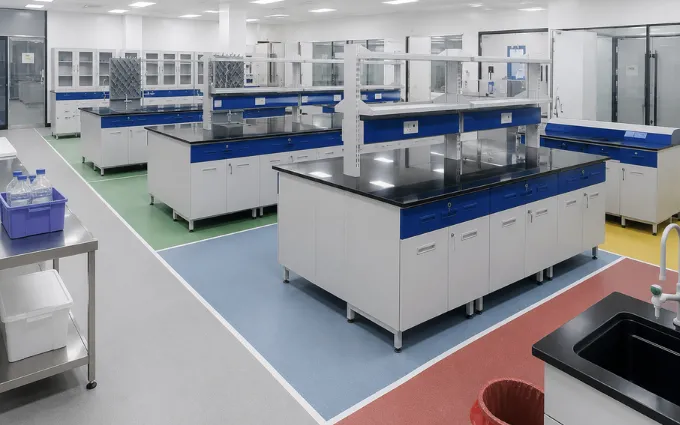
Choosing laboratory furniture without proper planning can affect laboratory efficiency, safety, and long-term operational costs. Avoiding these common mistakes will help create a workspace that supports reliable testing and future growth.
Common mistakes include:
- Choosing furniture before finalising the laboratory layout.
- Selecting work surfaces that are not compatible with laboratory chemicals.
- Underestimating storage requirements for chemicals, samples, and laboratory consumables.
- Ignoring future expansion and purchasing fixed furniture that cannot be reconfigured.
- Overlooking utility integration for gas, water, electrical, and data connections.
- Prioritising cost over durability and long-term performance.
Taking time to assess laboratory requirements before purchasing furniture can help reduce costly changes, improve workflow efficiency, and ensure the selected furniture supports current and future operational needs.
Laboratory Furniture Selection Checklist for Pharmaceutical Testing Labs
Before purchasing laboratory furniture, use this checklist to ensure your selection meets the operational and safety requirements of your pharmaceutical testing laboratory.
- Supports laboratory workflow
- Chemical-resistant work surfaces
- Durable and easy-to-clean materials
- Adequate storage capacity
- Utility integration for gas, water and electricity
- Ergonomic workstation design
- Compatible with laboratory equipment
- Modular design for future expansion
- Meets GMP and laboratory safety requirements
- Easy access for cleaning and maintenance
Using this checklist can help laboratories make informed purchasing decisions while creating a safe, organised, and future-ready workspace.
Why Choose Santech Labs for Pharmaceutical Laboratory Furniture?
Choosing the right pharmaceutical laboratory furniture manufacturer is essential for building a safe, efficient, and compliant testing facility. With over 25 years of experience, Santech Labs delivers customised laboratory furniture solutions designed to improve workflow, maximise space, and support GMP compliance.
From modular laboratory furniture and stainless steel laboratory furniture to laboratory fume hoods and complete laboratory workstations, our solutions are built using premium-quality, chemical-resistant materials for long-lasting performance and reliability. Whether you’re setting up a new laboratory or upgrading an existing one, we provide tailored solutions to meet your operational needs.
Conclusion
A pharmaceutical testing laboratory requires more than advanced equipment—it also needs the right furniture to ensure efficiency, safety, hygiene, and organised workflows. From well-designed workstations to durable storage solutions, every element contributes to reliable laboratory operations and regulatory compliance.
As one of the trusted lab furniture manufacturers in India, Santech Labs delivers customised pharmaceutical laboratory furniture designed to meet the unique requirements of modern testing facilities. With a well-planned pharmaceutical lab layout and expert guidance from our team, you can create a laboratory that supports current operational needs while remaining flexible for future expansion.