
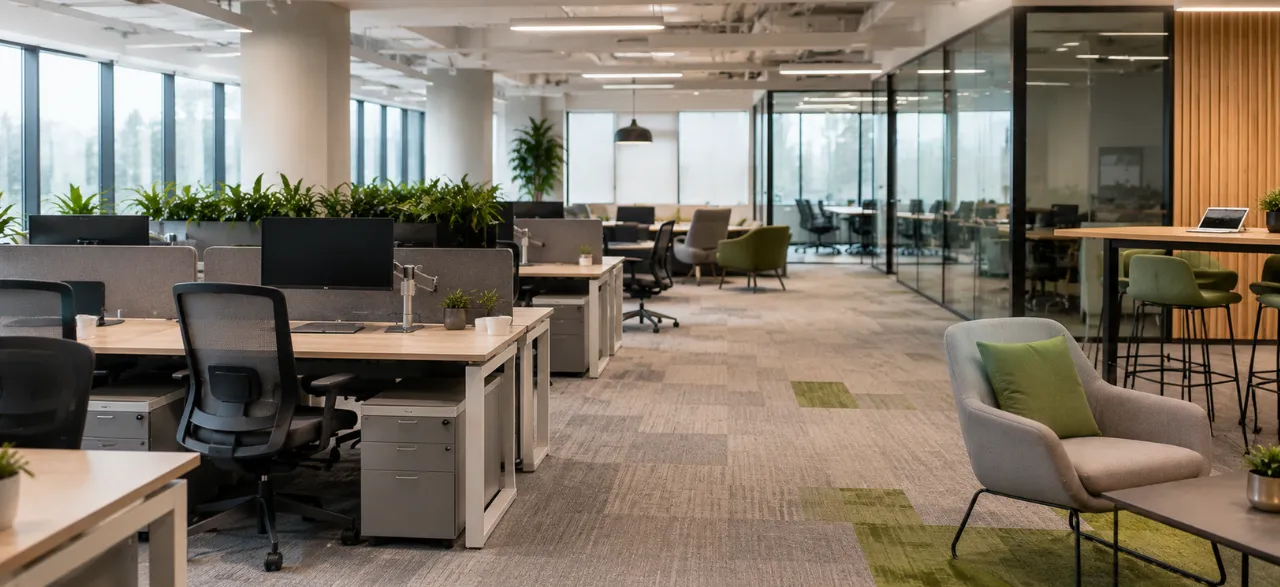
Modern office design furniture in 2026 focuses on ergonomics, flexibility, modularity, technology integration, and employee well-being. Popular designs include height-adjustable workstations, ergonomic chairs, modular desks, acoustic privacy pods, collaborative meeting furniture, and sustainable materials.
Unlike traditional office furniture that primarily focuses on appearance, modern designs are built to support hybrid work, collaboration, productivity, space optimization, and changing workplace needs. Flexible and modular furniture also allows businesses to reconfigure workspaces as teams and work styles evolve.
For businesses planning a new office or upgrading an existing workspace, choosing the right furniture means balancing comfort, functionality, durability, technology, and long-term value. This guide covers the latest modern office furniture trends and practical design ideas for creating a comfortable, efficient, and future-ready workplace in 2026.
Top Modern Office Furniture Design Trends in 2026
Modern office design furniture in 2026 focuses on flexibility, employee well-being, hybrid work, ergonomics, modular layouts, integrated technology, and sustainable materials. Instead of selecting furniture based only on appearance, businesses are creating workspaces that improve collaboration, privacy, productivity, and long-term efficiency. The following trends are shaping the future of office furniture design across industries.
Workstations Built for Technology and Comfort
Rows of identical office workstations are giving way to team neighbourhoods and semi-dedicated desk zones. Staff may share desks within a smaller group and still keep a recognisable home base.
Modern office design furniture for these settings includes deeper worktops, monitor support, accessible sockets, sensible cable routes, and personal or shared storage. Height-adjustable desks are also moving closer to a basic expectation instead of remaining a premium upgrade.
Screen-heavy work involves several applications, virtual meetings, and longer concentration periods. A shallow table with one hidden socket is no longer enough. Organisations are also moving away from a strict one-desk-per-person model, which makes flexible workstation planning more important.
Work Neighbourhoods Replace Endless Desk Rows
The open office is not vanishing, but it is becoming easier to navigate. Instead of one large field of desks, current office furniture design uses smaller neighbourhoods shaped by storage, acoustic screens, planters, or compact meeting points.
| Work Setting | Furniture That Supports It |
|---|---|
| Focused desk work | Adjustable chair, stable desk, monitor support. |
| Quick discussion | Small table with lightweight seating. |
| Virtual meeting | Acoustic booth or enclosed setting. |
| Project work | Reconfigurable tables with integrated power access for collaborative work. |
| Informal mentoring | Upright lounge seating paired with a compact side table. |
| Short individual task | Touchdown counter or compact workstation for focused, short-duration work. |
This structure gives people choice without requiring a formal room for every conversation. It makes modern office design furniture feel purposeful, not decorative.
Creating Private Spaces Without Permanent Walls
High-backed seating, screened workstations, focus pods, and acoustical booths have become popular because they provide privacy without requiring a permanent partition.
These solutions are ideal for offices where team structures change frequently or where creating additional rooms would be expensive. Modular office furniture is particularly valuable in these environments, as workstations, screens, and collaborative areas can be reconfigured quickly without major renovation costs. The best approach is to ensure acoustic support is available wherever calls, confidential discussions, or visual distractions are genuine concerns. Noise, meeting room availability, and visual privacy remain common workplace challenges.
Modern office furniture design is also embracing softer shapes, natural materials, and biophilic elements to create healthier, more welcoming work environments while maintaining the flexibility that modular office furniture provides.
Technology Is Becoming Less Visible
A modern meeting table should not need extension leads running towards the nearest wall.
Power modules, charging points, cable trays, monitor arms, and camera-friendly table shapes are increasingly built into office furniture design from the start. This is not about filling every desk with gadgets. A replaceable power unit and accessible cable route may be more useful than a complicated smart desk.
Hybrid collaboration remains central to workplace planning, with many meetings now including remote participants. The best modern office design furniture supports the screen and camera without allowing technology to dominate the room.
Ergonomics Is Becoming the Baseline
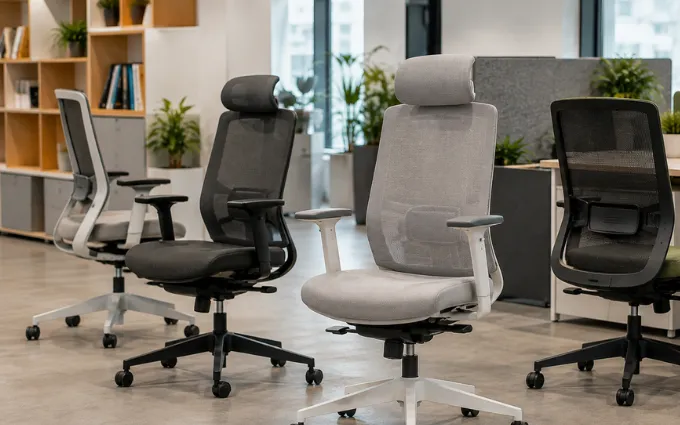
A chair can look impressive and still fail the person using it.
Task seating in 2026 offers better control over lumbar support, seat depth, arm position, and movement. Shared workstations especially need adjustability because the same chair may serve several users during the week. Understanding the differences between an ergonomic chair vs office chair can help businesses choose seating that supports employee comfort, posture, and long-term wellbeing.
The office also needs different postures. Some people prefer an enclosed chair, others an open desk or perch. This is where designer office furniture has moved beyond appearance. Comfort, inclusion, maintenance, and long-term usability now influence whether a product is worth specifying.
Warmer Materials Are Softening Corporate Interiors
Rounded corners, curved seating, warm timber, muted greens, clay shades, and textured fabrics are softening older corporate interiors.
Current office furniture design also favours lower-glare finishes and tactile materials, particularly in workplaces where staff spend much of the day using screens.
Warmth should not become clutter. Too many colours, reflective finishes, or low lounge pieces can distract and complicate maintenance. Strong modern office design furniture uses texture and colour to clarify zones, not to make every corner compete for attention.
Modular Furniture Must Change Without Drama
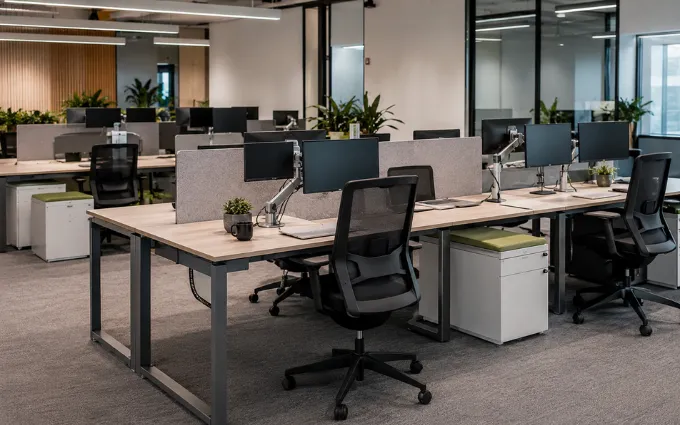
Many products are called modular even though moving them needs installers, rewiring, or hard-to-source parts.
Real modularity is practical. Desks expand, screens move, tables separate, and damaged worktops can be replaced without discarding the system. This lowers disruption when team sizes or layouts change. Following the latest modular workstation trends can help businesses create flexible workspaces that adapt easily to changing team sizes and operational requirements.
Many principles used by laboratory furniture manufacturers, such as durability, modular construction, easy maintenance, and long-term adaptability, are now influencing modern office furniture design. Businesses increasingly prefer furniture systems that can be upgraded, expanded, and maintained instead of being completely replaced.
Repairability Is Part of Good Design
Businesses are asking harder sustainability questions. Can a chair be reupholstered? Can castors, arms, screens, or power modules be replaced? Can desks be reconfigured?
The latest office furniture design values serviceable components and longer product life. A durable frame with replaceable parts may offer better long-term value than a cheaper sealed product.
This is also changing designer office furniture. Better designer office furniture now combines visual character with repairability and lifecycle value.
How to Choose Modern Office Design Furniture for Your Business
| Buying Factor | What to Look For |
|---|---|
| Workspace Planning | Assess your office layout, team size, and working patterns before selecting modern office design furniture. |
| Ergonomics | Choose adjustable chairs, height-adjustable desks, and monitor supports to improve posture, comfort, and employee wellbeing. |
| Modular Furniture | Invest in modular office furniture that can be expanded, reconfigured, or relocated as your business grows. |
| Technology Integration | Select furniture with integrated power outlets, charging points, cable management systems, and meeting tables designed for hybrid working. |
| Quality & Durability | Choose robust materials with replaceable components to minimise maintenance costs and extend furniture lifespan. |
| Supplier Expertise | Choose an experienced office furniture manufacturer that offers customised solutions, professional installation, after-sales support, and furniture tailored to your business requirements. |
A Practical Buying Check for 2026
Good office furniture design starts with use, not appearance. Before choosing furniture because it looks current, businesses should review how the office is actually used:
- Locate the real problems with noise, privacy, seating, storage, or power.
- Separate concentrated work from active collaboration.
- Choose adjustable products for shared workstations.
- Check whether modular parts can genuinely move or be replaced.
- Plan technology before finalising desks and meeting tables.
- Match materials to maintenance needs, not showroom photographs.
- Ask employees which work settings are missing.
The result may not resemble a trend-led showroom, and that is a good sign. Effective modern office design furniture should feel specific to the organisation.
Conclusion
Choosing the right modern office design furniture is about creating a workspace that supports productivity, employee wellbeing, collaboration, and future business growth. From ergonomic seating and modular workstations to integrated technology and flexible layouts, today’s office furniture should adapt to changing workplace needs while delivering long-term value.
At Santech Labs, we apply the same principles of quality, durability, and customisation trusted by leading lab furniture manufacturers to design modern office furniture solutions that are practical, reliable, and built to last. Whether you’re planning a new office or upgrading an existing workspace, investing in thoughtfully designed furniture can improve efficiency, maximise space, and create a more comfortable environment for your team.
By selecting the right modern office design furniture, businesses can build future-ready workplaces that support both employee performance and long-term organisational success.