



A Laboratory fume hood is a kind of ventilation equipment, necessary for a safe laboratory environment. The Laboratory fume hood protects the laboratory users from dangerous chemical fumes, toxic vapors, gases, and hazardous dust particles. Laboratory fume hoods are available in various kinds, designed for various laboratory settings. But how do you choose the best fume hood for your laboratory? Let’s find out!
What is a Laboratory Fume Hood?
A laboratory fume hood is a ventilated enclosure that helps protect users from harmful fumes, vapours, and airborne particles. It gives people a controlled space to work in when handling chemicals that should not be inhaled or allowed to spread through the room.
In simple terms, it’s creating a safer buffer zone between the user and the process. The important thing to understand, though, is that not all hoods are intended for the same type of use. Some are designed for more intensive chemical use, while others are better suited for lighter use or routine activities. So, before selecting one, it’s useful to understand just what it’s supposed to accomplish in your lab.
Start With the Chemicals and Processes Used in Your Lab
The first place to start is not with the hood, but with what’s going on inside the lab.
Ask a few practical questions:
- What kinds of chemicals are being used?
- Do they give off strong vapours?
- Are they corrosive, volatile, or toxic?
- Is the hood used every day, or only for certain tasks?
- Is the lab for teaching, testing, research, or formulation?
Choose Between Ducted and Ductless Fume Hoods
One of the biggest choices is whether the lab needs a ducted or ductless system. Both have clear uses, but they are not interchangeable.
A ducted fume hood removes contaminated air from the lab and sends it outside through a ducting system. This makes it an ideal choice for more demanding applications, particularly in situations where hazardous or volatile materials are involved. It is normally the better choice for permanent installations with suitable infrastructure in place.
On the other hand, a ductless fume hood recycles the filtered air back into the room. This makes it more versatile and convenient to install. It can be useful in smaller labs, temporary spaces, or settings where adding ductwork is not practical.
Consider Lab Size, Ventilation, and Available Lab Furniture
Even modular laboratory furniture can feel like the wrong choice if the room around it is not taken into account. Lab size, airflow, and existing services all affect how well the hood will perform.
It helps to look at the room as a whole:
- How much floor space is available?
- Is there enough ceiling height for installation?
- Does the building already have ventilation or exhaust systems?
- Are power and service points positioned sensibly?
- Will the hood fit neatly into the current layout?
Review the Hood Size and Working Area
Size is easy to overlook, but it makes a big difference. A hood that is too small can feel cramped very quickly. A hood that is too large may take up valuable space without offering real advantages.
The working area should allow enough room for the equipment, materials, and movement needed for the task. The sash opening should also be comfortable to use while still providing protection.
A good fume hood is not the biggest one available. It is the one that suits the work being done. That balance matters far more than people sometimes realise.
Think About Convenience, Workflow, and Day-to-day Use
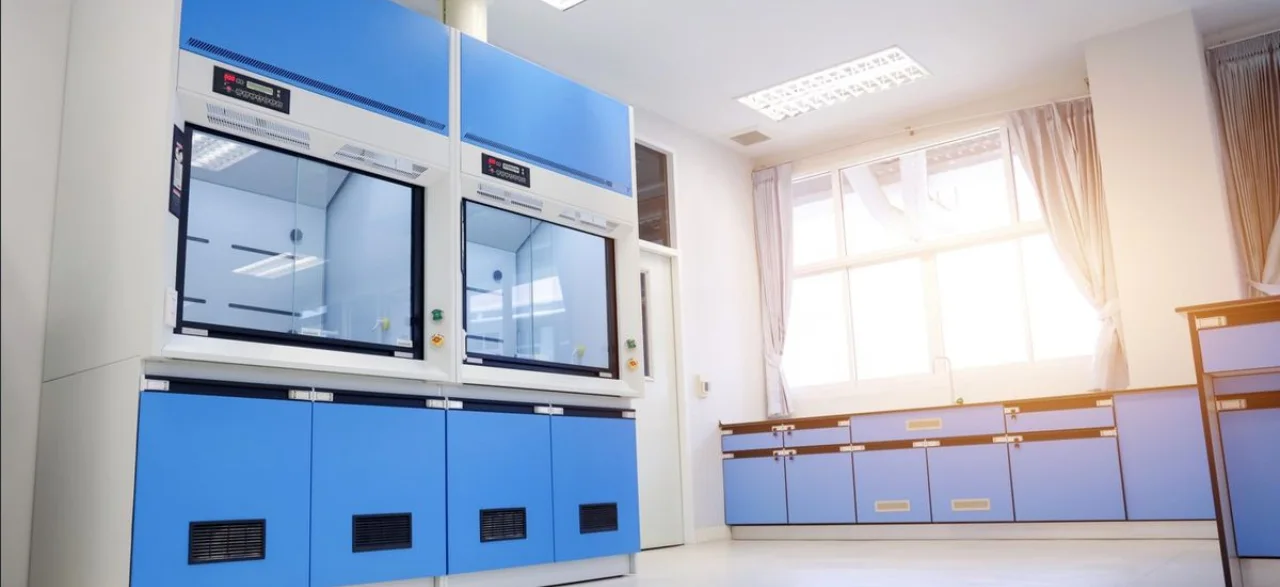
A fume hood is used regularly, so it should feel practical from the start. Small details can have a surprisingly large effect on how the lab works from one day to the next.
Useful features might include:
- Good visibility inside the hood
- Easy cleaning
- Bright, clear lighting
- Low noise levels
- Simple controls
- Comfortable access during use
When these things are done well, the hood becomes easy to live with. It supports the workflow instead of interrupting it. That may not sound dramatic, but in a busy lab, that kind of ease makes a real difference.
Common Mistakes to Avoid When Selecting a Fume Hood
A few mistakes come up again and again, and they are easy to avoid once you know what to watch for.
- Choosing based on price alone
- Not checking the chemicals being used
- Ignoring ventilation requirements
- Forgetting about maintenance
- Picking a hood that does not fit the room
- Treating the hood separately from the lab layout
The best decisions usually come from looking at the hood as part of the full working environment, not as a separate purchase.
Must Read: Preventing Common Mistakes When Designing Your First Lab
Final Checklist Before Purchase
Before you move ahead, run through a quick checklist:
- Do you know what chemicals the hood will handle?
- Have you decided between ducted and ductless?
- Is the space and lab furniture suitable?
- Does the hood meet safety expectations?
- Are the materials appropriate for your work?
- Will it support daily workflow?
- Have you thought about long-term costs?
Selecting the right laboratory fume hood is really about building a safer, more practical lab. The best hood is the one that fits the work, the space, and the people using it every day.
When the hood is planned alongside your lab furniture, the result is a workspace that feels more organised and far easier to use. That is where safety, efficiency, and good design come together.


