
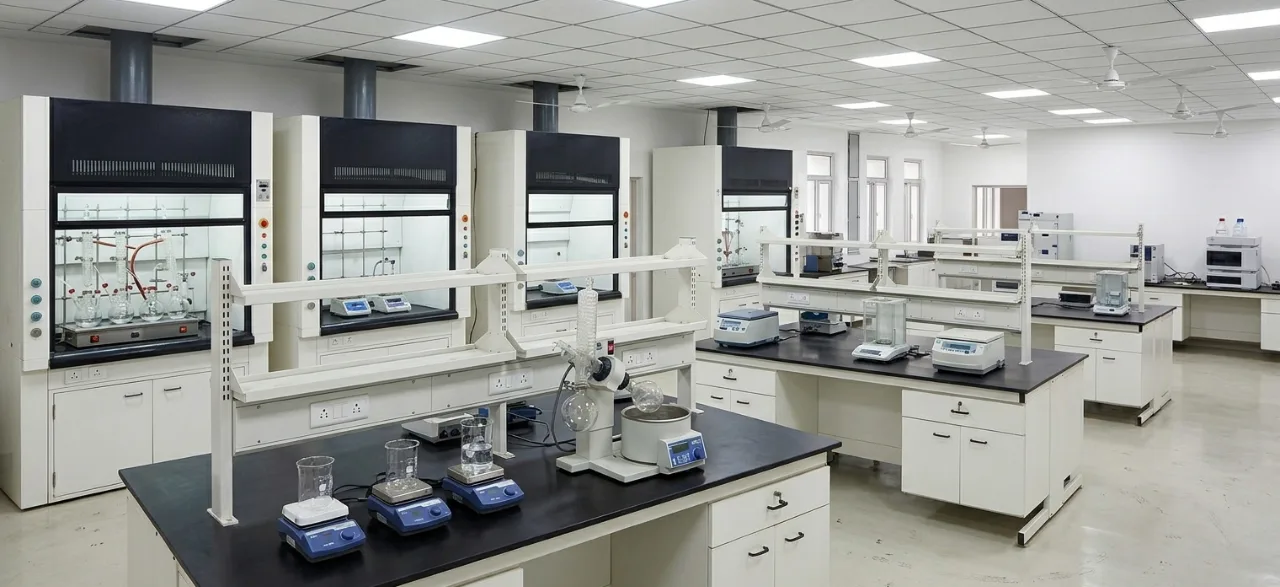
Choosing the right laboratory furniture requires more than comparing prices or designs. The furniture should match your laboratory type, workflow, available space, equipment, storage needs, safety requirements and working conditions. The right selection can improve workflow, support safe working practices and provide long-term value.
Before choosing laboratory workbenches, storage cabinets or modular laboratory furniture, assess worktop materials, chemical resistance, equipment load capacity, ergonomics, storage, flexibility and maintenance requirements. These factors help determine which laboratory furniture is suitable for your application.
Whether you are setting up a new laboratory or upgrading an existing facility, choosing an experienced laboratory furniture manufacturer in India can also simplify planning, customisation, installation and after-sales support.
In this guide, we explain the key factors to consider when choosing laboratory furniture in 2026, including materials, furniture types, layout, safety, storage, modularity, cost and manufacturer selection.
How Do You Choose the Right Laboratory Furniture?
Start With Your Laboratory’s Purpose and Requirements
The first step in choosing laboratory furniture is understanding how the laboratory will be used. A school science laboratory, pharmaceutical facility, research laboratory and quality control laboratory can have very different requirements for workstations, storage, materials and layout.
Before selecting your furniture, consider:
- Laboratory type and application: Identify the testing, research or production activities the laboratory will support.
- Number of users: Determine how many people will work in the space and how many workstations are required.
- Equipment and instruments: Check equipment dimensions, weight, utility connections and placement requirements before finalising bench sizes.
- Storage requirements: Identify chemicals, samples, equipment and consumables that need to be stored and determine how frequently they are accessed.
- Workflow: Plan how users, samples, materials and equipment will move between workstations, storage and other laboratory areas.
- Future expansion: Consider whether additional equipment, storage or workstations may be required as the laboratory grows.
A well-planned laboratory layout should consider workflow, equipment placement, storage and safety from the beginning. See our detailed guide to laboratory design for a broader planning approach.
Think about these basics:
- What kind of work happens in the room?
- How many people use the space at once?
- Does the room need wet storage, dry storage, or both?
- Will heavy instruments stay in one place?
- Does the layout need to change often?
These questions may sound simple, but they prevent a lot of unnecessary spending. A lab that is planned around real use is always easier to manage later.
Choose the Right Laboratory Furniture Materials
The right laboratory furniture material depends on the type of work, chemicals handled, cleaning routine, equipment used and expected level of daily wear. Laboratory worktops and cabinets need to withstand regular use without becoming difficult to clean, unstable or damaged prematurely.
When comparing materials, consider:
- Chemical resistance: Choose surfaces that are suitable for the chemicals, solvents or reagents used in the laboratory.
- Durability: Worktops, frames and cabinets should withstand frequent use, equipment loads and everyday wear.
- Moisture resistance: In wet laboratory environments, surfaces should tolerate regular exposure to water and cleaning agents.
- Ease of cleaning: Smooth, non-porous surfaces can make routine cleaning and maintenance easier.
- Surface strength: Worktops should be appropriate for the equipment, instruments and activities they will support.
- Maintenance requirements: Consider how easily damaged or worn components can be repaired or replaced.
The best material is not necessarily the most expensive option. It is the one that matches the laboratory’s working conditions and provides the right balance of durability, safety, maintenance and long-term value.
For storage, laboratory storage cabinets should also be selected according to what they will hold and how frequently they will be used. Properly designed storage helps keep supplies organised, protects materials and keeps valuable workspace clear.
Consider Laboratory Furniture Safety Requirements
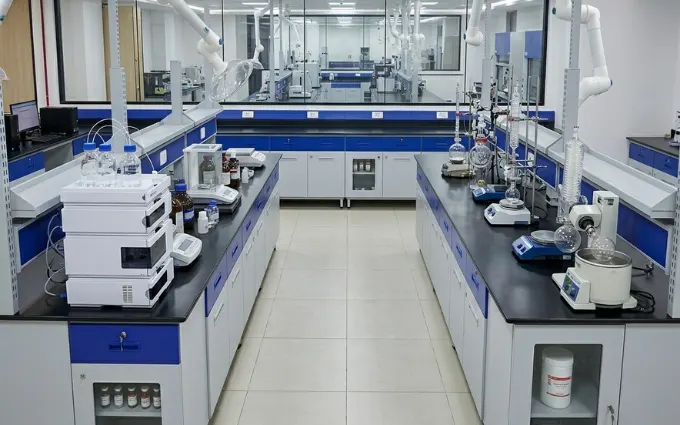
Safety in a lab is not only about chemicals and equipment. Furniture plays a part too. A poorly placed cabinet or an unstable bench can slow movement and create avoidable problems. In a busy space, that matters more than people sometimes realise.
When comparing options from different laboratory furniture manufacturers, pay close attention to how the furniture supports movement and safe use. Modern laboratory design is increasingly focused on creating smarter, safer and more compliant working environments, as discussed in our guide to how Indian labs are evolving in 2026.
Check for:
- Stable construction
- Enough room between workstations
- Safe storage for sensitive items
- Rounded or smooth edges where possible
- Clear access to frequently used equipment
A well-planned room reduces clutter, and less clutter usually means fewer mistakes. It is a simple point, but an important one.
Choose Laboratory Storage Based on Your Workflow
A lot of laboratory frustration comes from poor storage. Items get stacked in the wrong place. Small tools go missing. Bulky materials sit on work surfaces because there is nowhere else to keep them. Good storage can solve much of that.
This is where laboratory storage cabinets become essential. They should be chosen with the room layout in mind, not added at the end as an afterthought. If you are deciding between different storage options, our guide to custom vs standard laboratory storage cabinets explains the key differences and helps you determine which approach may suit your laboratory.
Useful storage questions:
- What needs to be stored close to the work area?
- What items should be locked away?
- Which materials need dry storage?
- How often will the cabinets be opened?
- Will staff need quick access or controlled access?
When storage fits the workflow, the room feels calmer and more organised. People spend less time searching and more time working.
Consider Flexible and Modular Laboratory Furniture
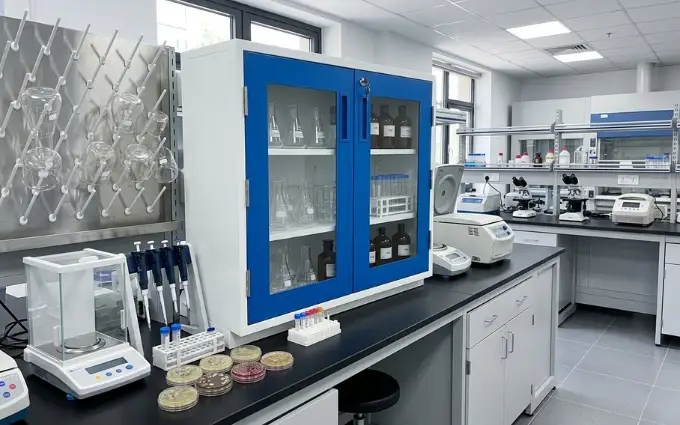
Laboratory needs change. New equipment arrives. A room may be used differently later. A team may grow. Because of that, furniture should not feel too fixed or too restrictive. We usually recommend choosing furniture that can adapt without making the room awkward. That does not mean buying every modular option available. It means thinking ahead with a bit of care.
Flexible choices often include:
- Modular workbenches
- Adjustable storage combinations
- Cabinets that fit more than one room type
- Furniture that can support different equipment sizes
This kind of thinking helps the investment last longer. It also means the laboratory can change without a full refit every time something shifts.
Compare Laboratory Furniture Cost and Long-Term Value
Laboratory furniture should be evaluated on more than its initial purchase price. A lower-cost option may seem attractive, but frequent repairs, difficult maintenance or early replacement can increase the overall cost. When comparing laboratory furniture, consider durability, material quality, maintenance, warranty, installation and expected service life alongside the initial price.
| What to Compare | Why It Matters |
|---|---|
| Initial purchase cost | Helps you compare options against your available laboratory budget. |
| Material and build quality | Durable materials and strong construction can reduce premature replacement. |
| Maintenance requirements | Easy-to-clean and maintain furniture can reduce ongoing upkeep costs. |
| Equipment load capacity | Furniture should safely support the equipment it is designed to hold without unnecessary reinforcement or replacement. |
| Warranty and support | Reliable after-sales support can help address manufacturing or installation issues. |
| Installation and customisation | A properly planned installation can reduce modification costs and help the furniture fit the laboratory correctly. |
| Expected service life | Longer-lasting furniture can provide better value over the entire project lifecycle. |
How to Choose a Laboratory Furniture Manufacturer
Choosing the right laboratory furniture manufacturer is just as important as selecting the right furniture. A manufacturer should understand your laboratory’s workflow, equipment, space, safety requirements and future needs rather than simply supplying standard products.
Before making a decision, compare manufacturers based on the following factors:
- Laboratory experience: Look for a manufacturer with experience in designing and supplying furniture for laboratories similar to yours, such as pharmaceutical, research, educational or quality control facilities.
- Manufacturing capability: Check whether the manufacturer has the production capacity, quality controls and technical expertise to deliver the required furniture consistently.
- Material and product options: A reliable manufacturer should offer suitable worktops, cabinets, frames and storage solutions for different laboratory environments and applications.
- Customisation: Laboratory spaces often have different dimensions and equipment requirements. Choose a manufacturer that can customise workstation sizes, storage configurations and layouts where required.
- Design and planning support: The manufacturer should be able to understand room dimensions, equipment placement, workflow and utility requirements before finalising the furniture.
- Installation support: Proper installation is essential for stable, functional and well-aligned laboratory furniture. Check whether installation is handled by an experienced team.
- Previous projects: Reviewing completed laboratory projects can help you assess the manufacturer’s practical experience, product quality and ability to handle different project requirements.
- Warranty and after-sales support: Ask about warranty coverage, maintenance support and how the manufacturer handles issues after installation.
- Turnkey capabilities: If you are setting up a new laboratory, working with a provider that can coordinate furniture with wider laboratory requirements can simplify project execution.
Good layout should allow:
- Clear walking paths
- Easy access to storage
- Enough room around equipment
- Comfortable working space at benches
- Smooth movement during busy periods
This is where thoughtful planning saves money too. Furniture that fits the room properly avoids the need for later changes.
Final Thoughts
Choosing the right laboratory furniture manufacturer in India means looking beyond price and appearance. The right manufacturer should provide furniture that supports laboratory safety, workflow, storage, equipment requirements, durability and future expansion.
Before making a decision, compare the manufacturer’s laboratory experience, material quality, customisation options, manufacturing capability, installation support, warranty and after-sales service. This helps ensure that the furniture is suitable for your laboratory and delivers long-term value.
At Santech Labs, we provide laboratory furniture solutions designed around practical laboratory requirements. From laboratory workbenches and storage cabinets to modular and customised laboratory furniture, our focus is on creating functional, durable and efficient laboratory environments.
If you are planning a new laboratory or upgrading an existing facility, speak with our team to discuss your laboratory furniture requirements.