


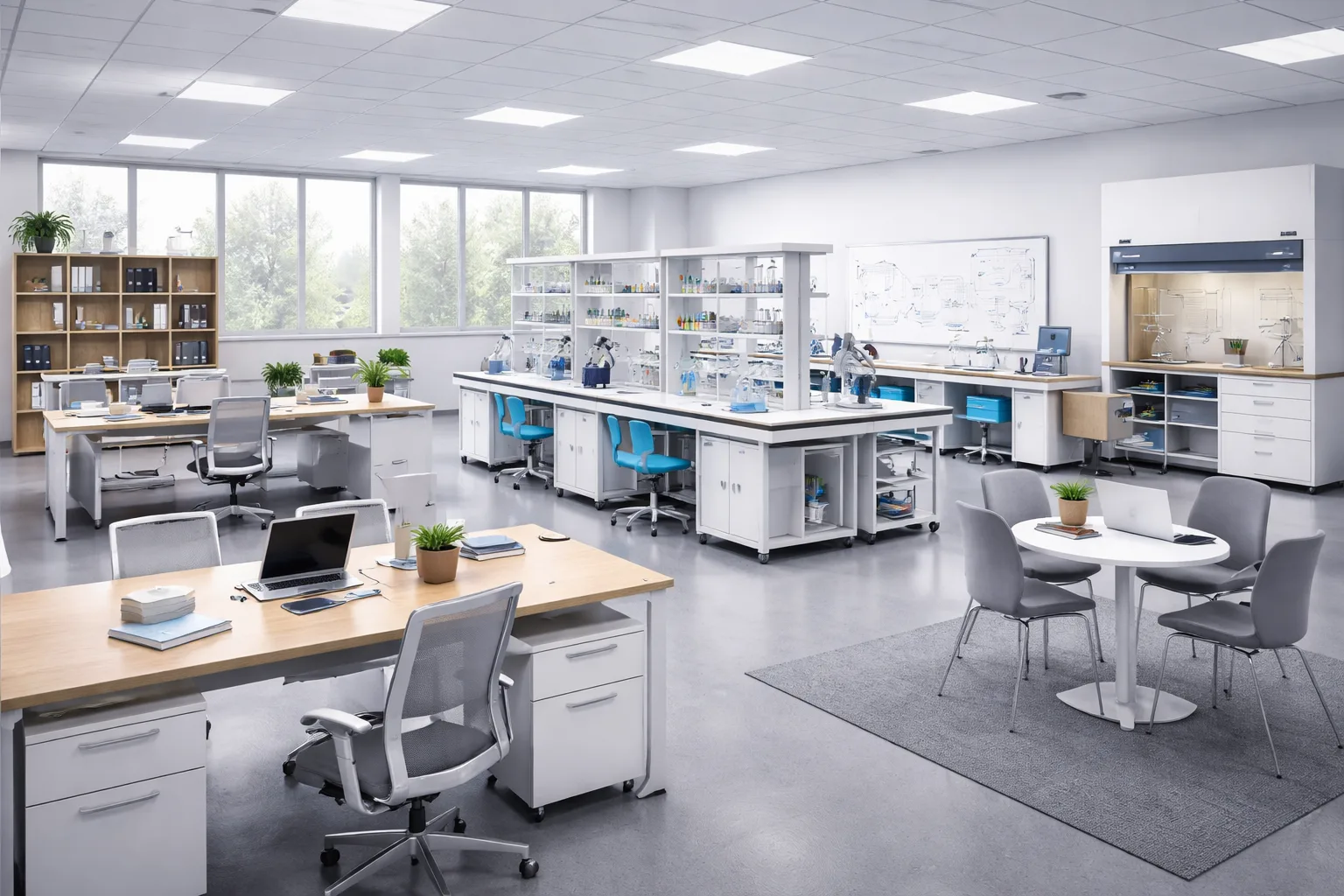
There was a time when office planning was treated like a one-time decision. You picked the layout, placed the desks, added storage, and expected everything to stay that way for years. That rarely works now. Teams change. Priorities shift. One corner that once felt productive can start feeling cramped, awkward, or simply outdated. That is why modular office furniture is changing how modern workspaces are designed. It gives businesses the freedom to adjust their environment without tearing everything apart each time something changes.
Understanding Modular Design in Workspaces
Modular design is not complicated in theory. It simply means furniture is created as a flexible system rather than as fixed, standalone pieces. Instead of buying items that only fit one layout, businesses choose components that can be moved, combined, expanded, or rearranged.
That might include:
- Desks that join together or separate easily
- Storage units that fit into different zones
- Partitions that create privacy without permanent changes
- Workstations that grow with a team
This matters because workspaces no longer serve just one purpose. A room may need to support focused work in the morning, meetings in the afternoon, and collaborative sessions later in the week. Traditional furniture can struggle in that kind of environment. It often works well in one setup and becomes inconvenient the moment the layout needs to shift.
Modular systems are different. They are built with change in mind. That is why they now appear in a wide range of settings, including offices, coworking spaces, training centres, educational campuses, and research environments.
This shift is also visible in specialised areas. Modular lab furniture has become increasingly relevant because labs often need layouts that can respond to new equipment, evolving workflows, and stricter space demands.
Why Businesses Are Moving Toward Modular Office Furniture
Most businesses are not looking for change just for the sake of it. They are responding to how work actually happens now. Teams are more fluid. Departments often collaborate across functions. Hybrid work has changed how offices are used. In many cases, companies need their space to do more with the same footprint.
That is where modular office furniture makes sense. It allows businesses to adapt without constantly replacing their setup.
The appeal is practical. Businesses are drawn to modular furniture because it helps with:
- Changing team sizes
- Shifting layouts
- Better use of space
- Smoother expansion
- Reduced disruption during updates
This demand has also shaped the way office furniture manufacturers think about design. The focus is no longer only on appearance or basic utility. Furniture now needs to support movement, flexibility, and long-term usability. Businesses want systems that still make sense after the office evolves, not just on installation day.
Key Advantages of Modular Office Furniture
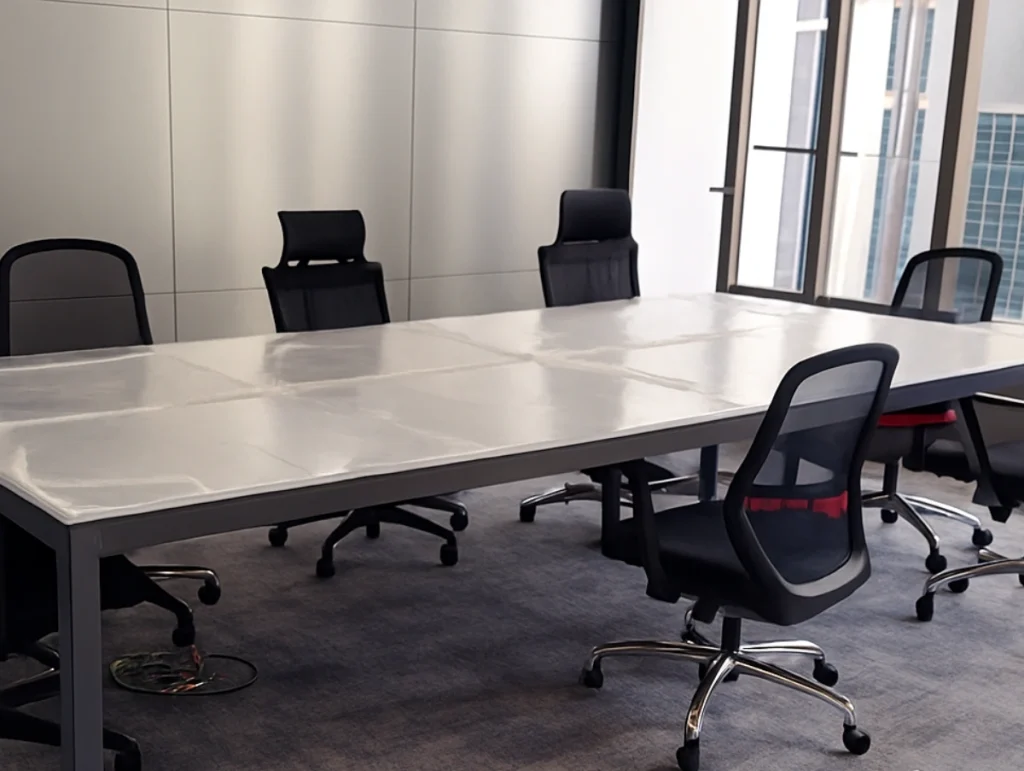
One reason modular furniture is getting so much attention is because it solves several real workplace issues at once.
It Makes Change Easier
Offices rarely stay static. New hires come in. Teams merge. Priorities shift. With modular systems, reworking the layout feels manageable rather than exhausting. Businesses can reconfigure what they already have instead of starting from scratch.
It Supports Smarter Growth
Expansion often creates hidden headaches. More people usually means more desks, more storage, and more pressure on the layout. Modular systems help businesses grow in stages. They can add what they need without disrupting everything around it.
It Uses Space Better
A workspace does not need to be huge to work well. It needs to be planned properly. Modular furniture helps make better use of available space by creating layouts that feel more intentional. That can mean clearer walkways, better workstation groupings, or shared areas that feel useful instead of forced.
It Offers Better Long-Term Value
Furniture replacement is expensive, and constant redesigns are rarely ideal. Because modular components can be reused and rearranged, businesses often get more from the same investment over time. That makes the decision feel less like a trend and more like a sensible operational choice.
It Helps Teams Work More Naturally
A rigid layout can quietly affect productivity. When the space does not support how people work, frustration builds. Modular design makes it easier to create areas for collaboration, quiet work, short meetings, or team discussions. It gives a workspace more range.
The Role of Office Furniture Manufacturers in Modular Innovation
Modular furniture only works well when it is designed well. That sounds obvious, but it matters. A system that looks flexible on paper can quickly become frustrating if the parts do not fit properly, wear out too fast, or feel unstable after a few changes.
This is where experienced office furniture manufacturers make a real difference. Good manufacturers think beyond the product itself. They consider how often it may be moved, how easily it can be expanded, and how well it will hold up after repeated use.
That includes attention to:
- Durability of materials
- Ease of reconfiguration
- Ergonomic comfort
- Clean integration with modern work needs
Manufacturers also play an important role in customisation. Not every workspace functions the same way. A corporate office, a training facility, and a research environment will all have different requirements. Strong modular design takes those differences seriously.
Future Trends in Modular Workspace Design
Modular design is already influencing modern interiors, but its role is likely to grow even more. Workplaces now need to be more responsive than before. They have to support collaboration, focused work, technology integration, and changing occupancy patterns.
Sustainability is also becoming part of the conversation. Furniture that can be adjusted rather than replaced tends to have a longer usable life. That reduces waste and supports more thoughtful planning.
There is also a growing demand for industry-specific systems. Businesses are not only looking for general office solutions anymore. They want furniture that suits the exact way their teams work, whether in offices, labs, training areas, or technical spaces.
Conclusion
The best workspaces are not always the most elaborate. They are the ones that continue to work well as the business changes. That is exactly where modular office furniture stands out. It gives organisations room to adapt, improve how they use space, and make decisions that hold up over time.
With the right planning, and with support from experienced office furniture manufacturers, modular systems can help create workspaces that feel practical today and still make sense tomorrow.


