
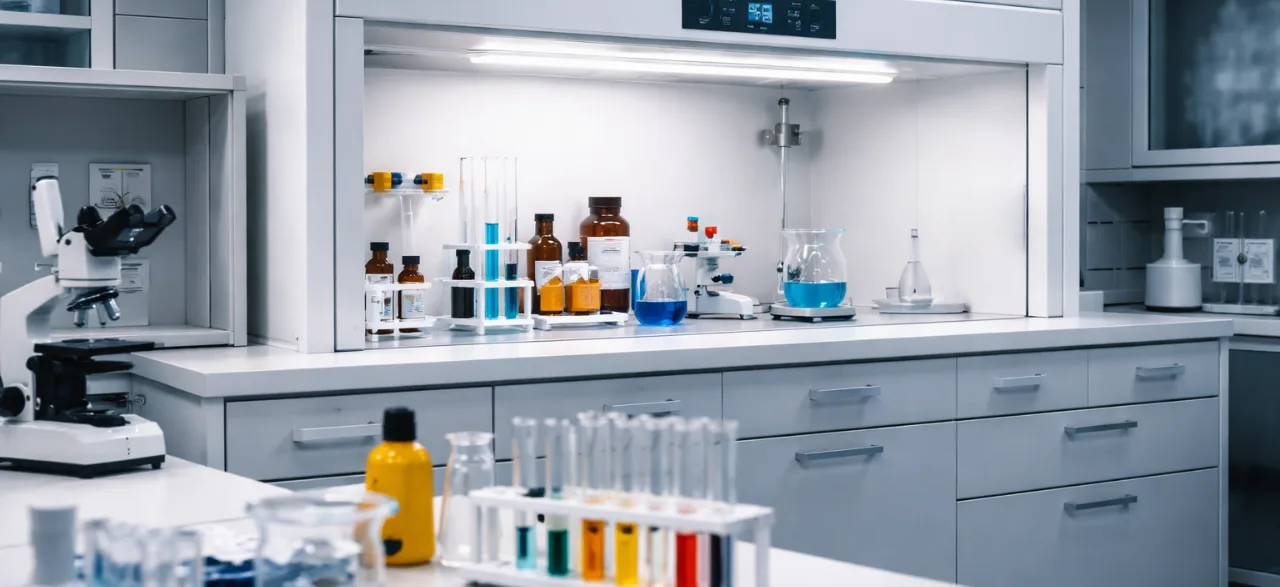
A laboratory should never feel like a place where people have to work around. Yet that happens more often than it should. Storage gets in the way, airflow feels poorly planned, and the layout stops making sense the moment a new process is introduced. That is exactly why design matters. As lab furniture manufacturers, we see how the right setup can make a lab feel safer, sharper, and far more future-ready. Let’s understand the role and importance of modern lab designs for safer environments and smarter innovations.
Why Lab Design Is Changing
Research today moves faster than it used to. New tools arrive, processes evolve, and teams often work across multiple projects at once. Because of this, laboratories cannot remain static spaces anymore.
In older labs, furniture and equipment were placed once and expected to stay there for years. But real research rarely works like that. A new instrument might need extra space. A project may require a different workflow. Suddenly, the layout that once felt organised begins to feel restrictive.
That is why modern laboratories are designed with flexibility in mind. Instead of building a space that works only for today, many organisations now plan labs that can adapt over time. As lab furniture manufacturers, we see furniture playing a much bigger role in this process. It is no longer just about providing benches and cabinets. It is about helping the entire lab function better.
Designing Around Real Lab Work
Essential Tips For Picking Your Chemistry Labs Furniture
A good laboratory layout begins by understanding how people actually work. Researchers move constantly during the day. They walk between benches, storage units, testing areas, and equipment stations.
When a lab supports this movement, work feels smooth. When it does not, small inconveniences start adding up.
Several factors help improve daily workflow.
Clear Movement Paths
Researchers should be able to move easily between different work areas. Crowded layouts slow work down and can increase safety risks.
Comfortable Workstations
Experiments often take time and concentration. Adjustable benches and supportive seating make long hours more manageable.
Better Visibility
In many labs, collaboration matters. Layouts that allow teams to see and communicate with each other help projects move forward more smoothly.
These things might seem simple, but they influence how the lab feels every day.
Safety Must Be Part of the Design
Safety is always a top priority in laboratories. Chemicals, specialised equipment, and complex procedures all require careful handling. Because of this, safety should be built into the design of the lab itself.
One of the most important safety elements is proper ventilation.
Ventilation and Airflow
Hazardous fumes must be contained and removed from the working area. This is where working with a reliable fume hood manufacturer becomes essential. Fume hoods help capture chemical vapours and prevent them from spreading through the lab.
Emergency Access
Safety equipment such as eyewash stations and emergency showers should always be easy to reach. In an emergency, quick access can make a real difference.
Durable Surfaces
Laboratory furniture must withstand chemical exposure, heat, and constant cleaning. Strong materials ensure that benches and workstations remain safe to use over time.
When these features are part of the design from the start, the lab becomes a safer place to work.
Designing Labs That Can Change
Research environments rarely stay the same for long. New equipment arrives. Teams grow. Research priorities shift.
If a lab is designed only for one fixed layout, adapting later can become difficult.
That is why flexible furniture systems are becoming more common in modern laboratories. Modular elements allow the layout to evolve without major construction work.
Examples include:
- Lab benches that can be moved when workflows change
- Mobile storage units for flexible organisation
- Adjustable shelving systems
- Workstations designed to support different equipment setups
This flexibility helps laboratories stay practical even when research needs change.
Technology in Modern Labs
Technology is now deeply integrated into laboratory work. Digital technologies are used by researchers to track studies, gather data, and analyse findings.
Workspaces must therefore accommodate both digital and physical tasks.
Modern labs consist of:
- Workstations with integrated data access and electricity
- Systems for keeping an eye on specialized equipment
- Regions for digital analysis of research data
- Systems for managing cables that maintain workspace organisation
Furniture often plays a significant role in supporting these systems. As lab furniture designers, we create workstations that allow equipment and technology to perform together without cluttering the area.
Considering Sustainability in Lab Designs
Laboratories consume a lot of energy. Energy consumption rises because specialised equipment and ventilation systems frequently operate nonstop.
Research labs can consume three to five times as much energy as standard office buildings, according to the International Institute for Sustainable Laboratories.
As a result, numerous organisations are looking into ways to improve the efficiency of labs.
Typical methods include:
- Energy-efficient ventilation systems
- Long-lasting, sturdy furnishings
- Materials chosen with consideration for sustainability
- Designs that make use of natural light
These modifications encourage cutting-edge research while lessening the impact on the environment.
The Role of Lab Furniture Manufacturers
Furniture plays a central role in how a laboratory functions. Benches, storage units, and integrated workstations all shape how researchers move and work within the space.
Experienced lab furniture manufacturers design systems that support both safety and efficiency.
This includes:
- Benches strong enough to support heavy equipment
- Surfaces that resist chemical damage
- Modular furniture that adapts to changing layouts
- Integration with ventilation and utility systems
Working with a trusted fume hood manufacturer also ensures that ventilation systems work effectively with the overall lab design.
When all these elements are planned together, the laboratory becomes easier and safer to use.
Looking Ahead
The future of laboratory design will continue to centre on flexibility and safety. Research environments will need to support new technologies, changing workflows, and evolving scientific methods without becoming difficult to manage.
That is why thoughtful planning matters so much. A well-designed laboratory makes a difference every single day. It supports the people working inside it, removes avoidable obstacles, and helps them stay focused on the work that matters.
As lab furniture manufacturers, we believe reliable materials, practical layouts, and flexible systems can help create laboratories that remain safe, efficient, and ready for the next generation of scientific work.