
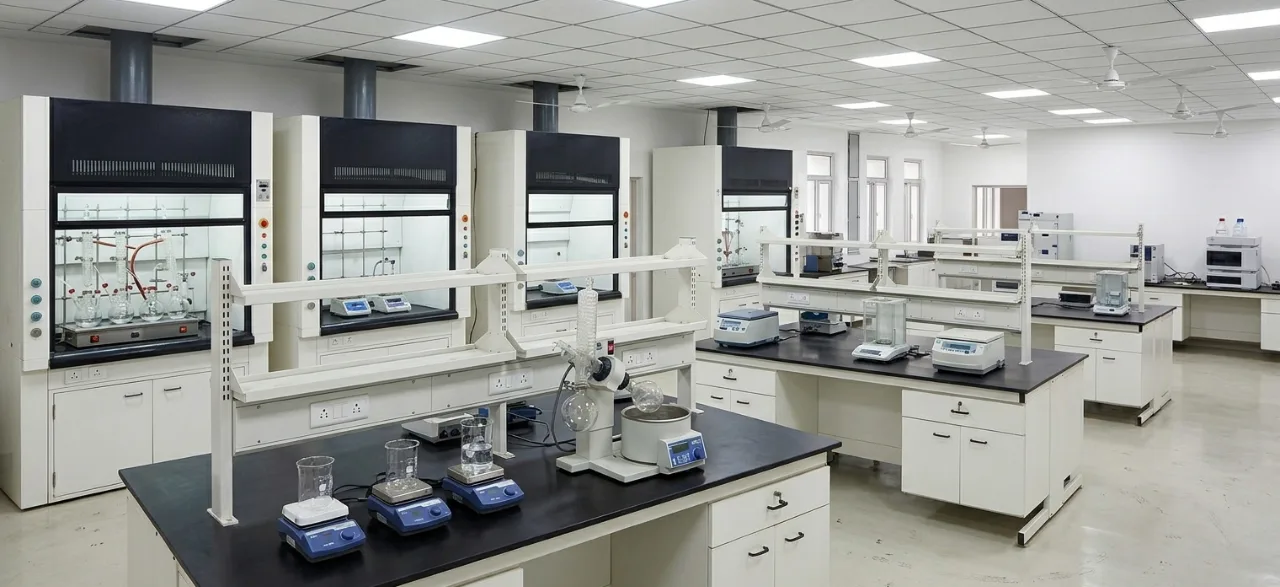
A laboratory can look organised at first glance and still be awkward to work in. One cabinet ends up in the wrong place, a bench feels too cramped for the equipment, and storage gets pushed into corners that were never meant for it. That is usually when the real cost begins to show. Choosing the right furniture for laboratory is not just about filling a room. It is about making the space safer, easier to use, and far less frustrating every day.
Laboratory spaces need more than standard furniture. They need practical layouts, dependable materials, and storage that supports the work instead of getting in the way. The right setup helps people move better, store better, and work with far less stress.
Start With The Laboratory’s Actual Purpose
Not every lab works in the same way. A school science lab has very different needs from a research space, and both are different from a testing or quality control room. Before choosing furniture, it helps to step back and look at how the room will actually be used.
Think about these basics:
- What kind of work happens in the room?
- How many people use the space at once?
- Does the room need wet storage, dry storage, or both?
- Will heavy instruments stay in one place?
- Does the layout need to change often?
These questions may sound simple, but they prevent a lot of unnecessary spending. A lab that is planned around real use is always easier to manage later.
Choose Materials That Can Handle Daily Pressure
Laboratory furniture goes through more wear than many people expect. Surfaces are cleaned often. Cabinets are opened and shut repeatedly. Equipment is placed down, moved around, and handled quickly. That is why material choice matters so much. A reliable furniture manufacturer should offer options that can handle cleaning, movement, and regular use without losing shape too soon.
Look for:
- Smooth, easy-to-clean work surfaces
- Strong frames that stay stable
- Finishes that resist moisture and marks
- Edges that are safe and practical
- Storage units that do not feel flimsy
For example, laboratory storage cabinets need to do more than hold supplies. They should help keep things in order, protect materials, and stay dependable even under heavy use. If cabinets warp, jam, or wear out too quickly, the whole room starts to feel harder to manage.
Make Safety Part Of The Furniture Decision
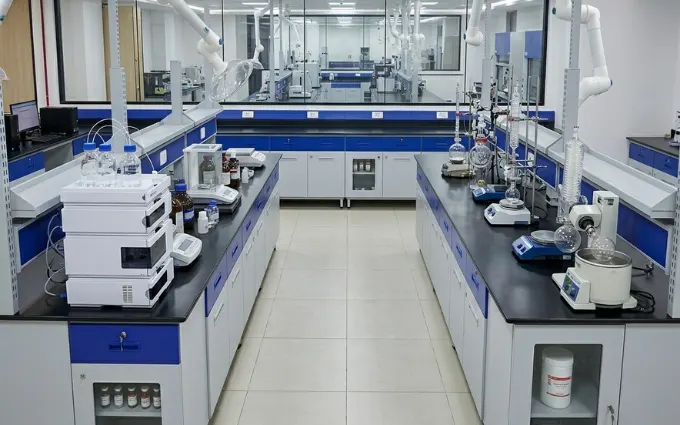
Safety in a lab is not only about chemicals and equipment. Furniture plays a part too. A poorly placed cabinet or an unstable bench can slow movement and create avoidable problems. In a busy space, that matters more than people sometimes realise.
When comparing options from different laboratory furniture manufacturers, pay close attention to how the furniture supports movement and safe use.
Check for:
- Stable construction
- Enough room between workstations
- Safe storage for sensitive items
- Rounded or smooth edges where possible
- Clear access to frequently used equipment
A well-planned room reduces clutter, and less clutter usually means fewer mistakes. It is a simple point, but an important one.
Storage Should Support The Workflow, Not Fight It
A lot of laboratory frustration comes from poor storage. Items get stacked in the wrong place. Small tools go missing. Bulky materials sit on work surfaces because there is nowhere else to keep them. Good storage can solve much of that. This is where laboratory storage cabinets become essential. They should be chosen with the room layout in mind, not added at the end as an afterthought.
Useful storage questions:
- What needs to be stored close to the work area?
- What items should be locked away?
- Which materials need dry storage?
- How often will the cabinets be opened?
- Will staff need quick access or controlled access?
When storage fits the workflow, the room feels calmer and more organised. People spend less time searching and more time working.
Think About Flexibility, Not Just The Current Setup
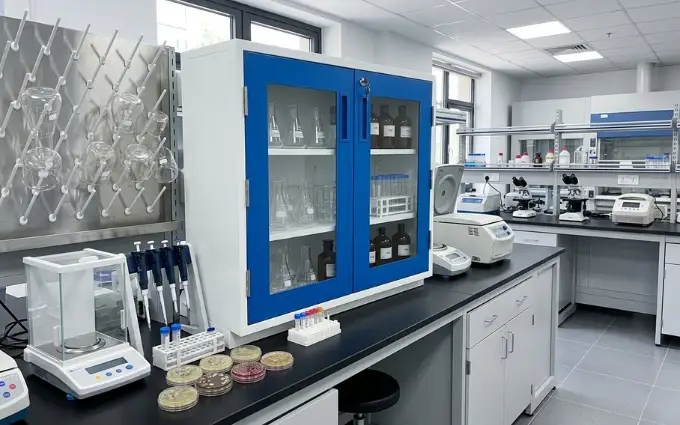
Laboratory needs change. New equipment arrives. A room may be used differently later. A team may grow. Because of that, furniture should not feel too fixed or too restrictive. We usually recommend choosing furniture that can adapt without making the room awkward. That does not mean buying every modular option available. It means thinking ahead with a bit of care.
Flexible choices often include:
- Modular workbenches
- Adjustable storage combinations
- Cabinets that fit more than one room type
- Furniture that can support different equipment sizes
This kind of thinking helps the investment last longer. It also means the laboratory can change without a full refit every time something shifts.
Cost Matters, But Value Matters More
Buying on price alone often creates trouble later. A cheap bench that wears out early is not really a saving. A cabinet that does not close properly becomes a problem every single week. So the better question is not, “What is the lowest price?” It is, “What will still work well after daily use?” That is why a good furniture manufacturer should be judged on more than a quote. Look at the design, build quality, support, and fit for the room.
A practical way to judge value:
- Compare durability first
- Check whether the design suits the lab
- Review cleaning and maintenance needs
- Look at long-term use, not only purchase cost
- Choose pieces that reduce replacement risk
This approach usually leads to better results. It is less exciting than a quick bargain, but far more useful.
Pay Attention To Space And Movement
Pay attention to space and movement in a laboratory because even good furniture can feel inefficient if the layout is not planned properly. Space directly affects how smoothly people can work, move, and access equipment. Poor planning often leads to cramped walkways, blocked storage, and unnecessary effort in daily tasks. In precision-based environments, even vibrations caused by movement or nearby equipment can affect sensitive instruments, which is why solutions like an anti-vibration table are often used to maintain stability and accuracy during testing and measurement.
Good layout should allow:
- Clear walking paths
- Easy access to storage
- Enough room around equipment
- Comfortable working space at benches
- Smooth movement during busy periods
This is where thoughtful planning saves money too. Furniture that fits the room properly avoids the need for later changes.
Final Thoughts
Choosing furniture for a laboratory is really about creating a space that works in real life. It should support safety, storage, movement, and daily use without causing extra hassle. The right decision is not always the most expensive one, and it is not usually the quickest one either.
At Santech Labs, we believe laboratory furniture should be practical from the start and dependable over time. Whether you are comparing laboratory furniture manufacturers, planning new laboratory storage cabinets, or selecting a trusted furniture manufacturer for a full setup, the goal stays the same. Build a space that works well now and still feels sensible later.