

Modular lab furniture provides laboratories with flexible, efficient, and adaptable workspaces that can evolve with changing research, equipment, and workflow requirements. Unlike fixed laboratory furniture, modular systems can be reconfigured, expanded, and upgraded without completely redesigning the laboratory, making them a practical long-term investment.
Modular lab furniture can support better space utilisation, organised workflows, ergonomic working conditions, and easier laboratory expansion. Its flexibility is particularly useful for laboratories where equipment, processes, or workspace requirements may change over time.
Planning a new laboratory or upgrading an existing one? Explore the benefits of modular lab furniture and connect with Santech Labs for customized laboratory furniture solutions designed around your space, workflow, equipment, and project requirements.
Key Characteristics of Modular Lab Furniture
Modular laboratory furniture is designed around flexibility and changing operational requirements. The following characteristics are important when evaluating a modular system.
1. Customisable and Flexible Configurations
Modular lab furniture can be configured to match the laboratory’s floor plan, workstations, equipment, storage needs, and specific application. Different modules can be combined to create layouts for testing, research, analysis, sample preparation, or other laboratory activities. This allows the furniture system to be planned around the way the laboratory is used rather than relying on a standard arrangement.
2. Easy Reconfiguration
Modular furniture is made up of individual components that can be repositioned, added, or replaced as part of a planned laboratory modification. This can make it easier to alter workstation arrangements, storage locations, or equipment areas without undertaking a complete furniture replacement. It can also simplify future maintenance or modifications to individual sections of the laboratory.
3. Space Efficiency

Modular laboratory furniture can help make effective use of available floor space by coordinating workbenches, storage cabinets, equipment areas, and circulation zones within the laboratory layout. Careful space planning can provide sufficient working clearance while keeping frequently used equipment and materials accessible to laboratory personnel.
4. Modern Design and Aesthetics
Modern modular laboratory furniture is available in a range of configurations, materials, finishes, and worktop options. A coordinated furniture design can create a professional laboratory environment while supporting practical requirements such as storage, equipment placement, cleaning, and day-to-day laboratory operations.
5. Ergonomic Workspaces
Laboratory workstations should be planned around the tasks performed by users. Appropriate working heights, sufficient legroom, accessible storage, and convenient equipment placement can help create more comfortable and practical work areas. Modular workstation configurations can be planned according to the activities performed at each bench, supporting better usability during routine laboratory work.
What Does Modular Laboratory Furniture Include?
Modular laboratory furniture includes configurable workstations, storage units, workbenches, and supporting components that can be arranged according to the laboratory’s space, workflow, equipment, and application requirements. Depending on the laboratory design, a modular furniture system may include:
- Laboratory Workbenches: Workbenches provide dedicated areas for testing, preparation, analysis, research, and other laboratory activities. Different configurations can be selected according to available space and workflow requirements. For a detailed understanding of lab workbench types, see Santech Labs’ guide to selecting workbenches for different laboratory applications.
- C-Frame, D-Frame and Plinth Systems: These workbench framework options provide different approaches to supporting laboratory worktops and creating flexible workstation layouts. The appropriate configuration depends on the laboratory application, available space, and equipment requirements.
- Pedestal Systems: Pedestal-based laboratory furniture can provide workstation support along with integrated storage options, making it suitable for laboratories that require accessible workspace and storage within the same area.
- Laboratory Storage Cabinets: Storage cabinets, drawers, and shelving units can be incorporated into modular layouts to organise laboratory equipment, glassware, samples, and everyday supplies.
- Chemical Storage Cabinets: Laboratories handling chemicals may require dedicated storage solutions selected according to the types of materials being stored and applicable safety requirements.
- Laboratory Worktops: Worktop materials can be selected according to the laboratory application and factors such as chemical exposure, moisture, heat, durability, and maintenance requirements.
- Equipment and Utility Integration: Modular laboratory layouts can be planned around instruments, sinks, electrical connections, plumbing, and other required services to support practical equipment placement and workflow.
The exact combination of modular laboratory furniture depends on the laboratory’s application, room dimensions, equipment, workflow, storage requirements, and future expansion plans. A well-planned system can combine workstations and storage into a coordinated layout while retaining the flexibility to adapt as laboratory requirements change.
Benefits Of Modular Lab Furniture
| Benefit | How It Helps Laboratories |
|---|---|
| Better Space Utilisation | Workstations and storage can be arranged according to the available laboratory space. |
| Additional Capacity | Additional workstations or storage modules can be incorporated when laboratory capacity requirements increase. |
| Workflow Adaptability | Furniture layouts can be adjusted when processes, equipment, or workflows change. |
| Reduced Disruption | Individual components can often be modified or relocated without replacing the entire furniture system. |
| Improved Ergonomics | Workstations can be configured around laboratory tasks, equipment placement, and user requirements. |
| Organised Storage | Storage modules can be positioned according to equipment, chemicals, samples, and material requirements. |
| Lifecycle Value | A modular system can support maintenance, component replacement, modifications, and future project requirements without necessarily replacing the complete furniture installation. |
How Does Modular Lab Furniture Improve Laboratory Efficiency?
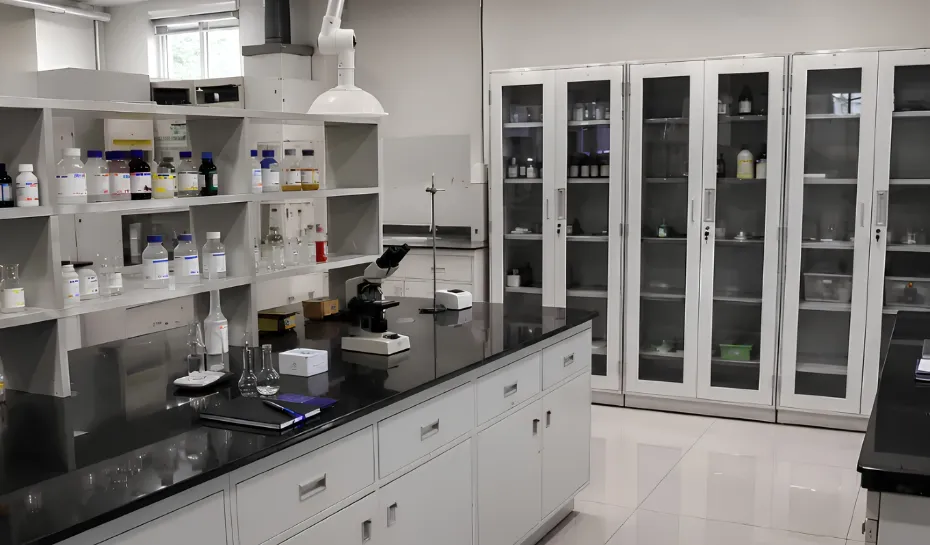
For laboratories planning a complete facility rather than upgrading furniture alone, understanding the requirements of a turnkey laboratory setup in India can help when coordinating furniture, equipment, utilities, and other laboratory infrastructure.
- Better workflow planning: Workstations can be positioned according to laboratory processes, creating logical work zones for preparation, testing, analysis, documentation, and storage.
- Efficient use of space: Modular furniture allows workstations, storage units, sinks, instruments, and other components to be configured according to the available floor area, helping laboratories use space more effectively.
- Improved equipment accessibility: Frequently used equipment and materials can be positioned close to relevant work areas, reducing unnecessary movement during routine laboratory activities.
- Organised storage: Modular cabinets, drawers, shelving, and other storage units can be arranged according to the laboratory’s requirements, providing designated spaces for equipment, samples, chemicals, and supplies.
- Simpler maintenance and modification: Individual furniture components can often be serviced, replaced, or modified separately, allowing specific areas of the laboratory to be addressed without undertaking a complete furniture replacement.
- Better working conditions: Workstations can be configured around specific laboratory tasks, working heights, equipment placement, and storage access, helping create practical and organised work areas for laboratory personnel.
Overall, modular laboratory furniture provides an adaptable approach to laboratory planning. By combining efficient space utilisation, organised storage, accessible equipment placement, and flexible layouts, it can help laboratories maintain efficient workflows as their operational requirements evolve.
Which Laboratories Can Benefit From Modular Lab Furniture?
| Laboratory Type | How Modular Lab Furniture Helps |
|---|---|
| Pharmaceutical Laboratories | Flexible pharmaceutical lab furniture solutions can support changing testing, research, and quality-control requirements while providing practical workstations and organised storage. |
| Research Laboratories | Modular layouts can accommodate changing research activities, instruments, equipment, and workspace requirements. |
| Educational Laboratories | Flexible furniture arrangements can support practical classes, demonstrations, student workstations, and different laboratory activities. |
| Chemical Laboratories | Furniture layouts can be planned around workflow, storage, equipment placement, and application-specific requirements. |
| Biotechnology Laboratories | Modular workspaces can provide flexibility as research activities and equipment requirements evolve. |
| Testing Laboratories | Workstations and storage can be configured around testing processes, equipment, samples, and operational workflows. |
Modular Lab Furniture vs Fixed Laboratory Furniture: What’s the Difference?
| Feature | Modular Lab Furniture | Fixed Laboratory Furniture |
|---|---|---|
| Layout Changes | Easier to modify | More difficult |
| Expansion | Additional modules can be added | May require major modification |
| Reconfiguration | Components can be rearranged | Usually limited |
| Space Planning | Can adapt to different layouts | Designed for a specific layout |
| Future Equipment | Easier to accommodate changes | May require significant alterations |
| Long-Term Adaptability | High | Lower |
| Initial Planning | Requires modular planning | Usually planned around a fixed layout |
The choice between modular and fixed laboratory furniture depends on the laboratory’s application, available space, equipment, utilities, safety requirements, budget, and expected future changes. Modular furniture can be particularly suitable where flexibility and future adaptability are important considerations.
How to Choose Modular Lab Furniture
Choosing modular lab furniture requires more than comparing furniture designs. The right system should suit the laboratory’s available space, workflow, equipment, storage requirements, safety needs, and future expansion plans.
Consider these factors before making a decision:
- Assess the Laboratory Space
Measure the available floor area, wall positions, doors, windows, service points, and circulation space. Choose a modular configuration that makes efficient use of the available area without restricting movement. - Plan Around Laboratory Workflow
Consider how users move between preparation, testing, analysis, equipment, storage, and other work areas. Furniture should support the actual workflow rather than forcing users to work around the layout. - Consider Workbench Requirements
Select a suitable workbench configuration based on the type of laboratory activities, equipment being used, required workspace, and available floor area. Modular systems can include different configurations to suit varying laboratory layouts. - Check Storage Requirements
Identify the types and quantities of equipment, samples, chemicals, glassware, and laboratory supplies that need to be stored. Select appropriate cabinets, drawers, shelving, or specialised storage units accordingly. When comparing storage options, consider custom vs standard laboratory storage cabinets based on your laboratory’s space, storage capacity, and application requirements. - Evaluate Worktop Requirements
The worktop material should be selected according to the laboratory application and the substances or processes involved. Consider factors such as chemical resistance, durability, heat exposure, moisture, and ease of maintenance. - Plan Equipment and Service RequirementsConsider the equipment, instruments, electrical points, plumbing, data connections, sinks, and other services required at each workstation. Planning these requirements before installation can help prevent layout conflicts and ensure that furniture and laboratory equipment work together efficiently.
- Consider Equipment Integration
Check the dimensions, weight, utility connections, and operating requirements of laboratory equipment before finalising the furniture layout. This helps ensure that equipment can be positioned safely and conveniently. - Prioritise Ergonomics and Accessibility
Workstation height, working clearance, storage access, and equipment positioning should be considered to create comfortable and practical working areas. - Choose a Suitable Laboratory Furniture Supplier
Look for a modular laboratory furniture supplier that can provide design support, manufacturing, installation, and after-sales assistance. Reviewing material specifications, project experience, customisation options, and installation capabilities can help when comparing suppliers. - Consider Total Project Requirements
Do not evaluate furniture only on its initial purchase price. Consider installation, future modifications, maintenance, durability, storage requirements, and potential expansion when assessing the overall value of the system.
Bottom Line
Modular lab furniture can help laboratories create well-planned workspaces with efficient storage, appropriate equipment placement, practical ergonomics, and effective use of available floor space. Its component-based design also provides greater choice when planning workstation layouts and making individual furniture modifications.
The right system should be selected according to the laboratory’s application, workflow, equipment, worktop requirements, storage needs, safety considerations, and available space. Santech Labs, an experienced lab furniture manufacturer in India, provides modular laboratory furniture solutions for pharmaceutical, research, educational, chemical, biotechnology, and testing laboratories.
As laboratory furniture suppliers, Santech Labs can support laboratories with furniture solutions planned around their functional requirements, space constraints, equipment, and project needs.