
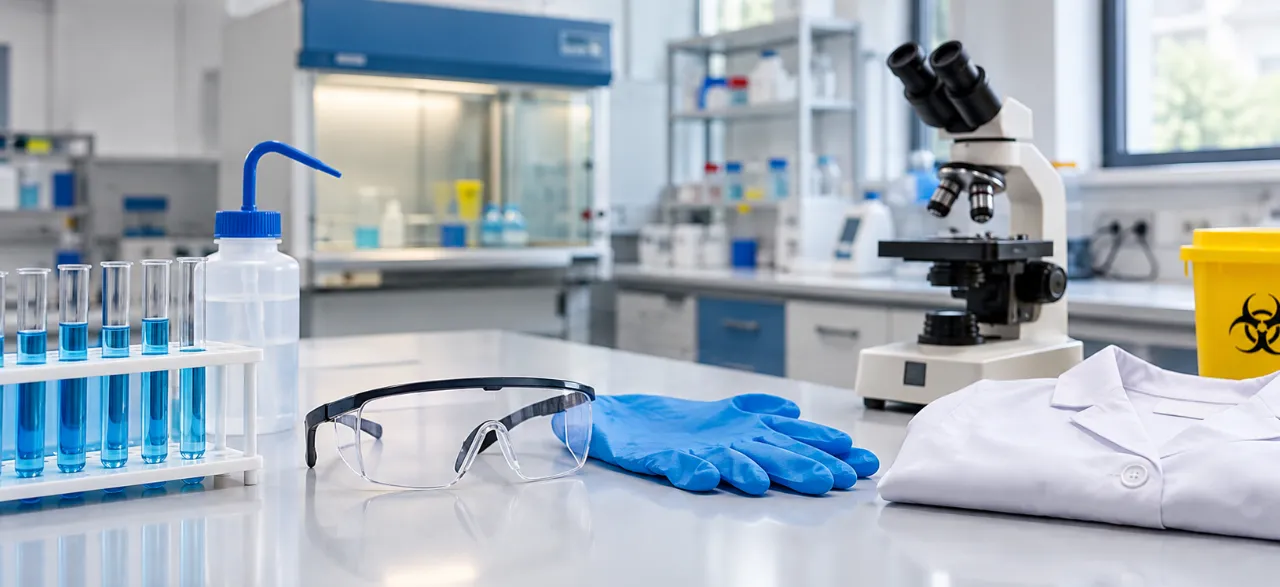
Laboratory safety tips help students, researchers, technicians and laboratory professionals prevent injuries, chemical exposure, contamination, fires and equipment-related accidents. The most important practices include wearing appropriate PPE, identifying hazards, following written procedures, handling chemicals correctly, maintaining good housekeeping, using equipment only after training and knowing what to do during an emergency.
Whether you work in a research, pharmaceutical, educational, healthcare or testing laboratory, these 20 laboratory safety tips provide practical guidance for safer day-to-day laboratory work.
Laboratory Safety Tips at a Glance
The most important laboratory safety rules are to wear suitable PPE, identify hazards before starting work, follow approved procedures, label chemicals and samples, keep work areas clean, use equipment only after training, dispose of waste correctly, report incidents promptly and know the location and use of emergency equipment.
Safety should be built into every stage of laboratory work rather than treated as a separate activity.
Why Is Laboratory Safety Important?
Laboratories can contain chemical, biological, physical, electrical, thermal and radiation hazards. The level of risk depends on the materials, equipment, procedures and activities being carried out.
Following appropriate laboratory safety practices can help reduce the likelihood and severity of:
- Chemical exposure and burns
- Biological contamination and exposure
- Cuts and injuries from glassware or sharps
- Fires and explosions
- Electrical accidents
- Slips, trips and falls
- Equipment-related injuries
- Laboratory spills and contamination
Effective safety combines hazard identification, risk assessment, engineering controls, administrative procedures, PPE and appropriate training.
20 Essential Laboratory Safety Tips for a Safe Workplace
Following the right laboratory safety tips helps prevent accidents, minimise exposure and maintain a safer work environment. These 20 essential laboratory safety tips provide practical guidance for students and professionals. If you are planning a new laboratory, see our guide to turnkey laboratory setup cost in India to understand the key setup costs.
1. Wear Appropriate Personal Protective Equipment
Wear PPE appropriate to the hazards and task. Depending on the activity, this may include a laboratory coat, safety goggles, suitable gloves, protective footwear or additional specialised protection.
PPE is the last line of defence and should be used alongside appropriate engineering and procedural controls.
2. Know Your Laboratory Before Starting
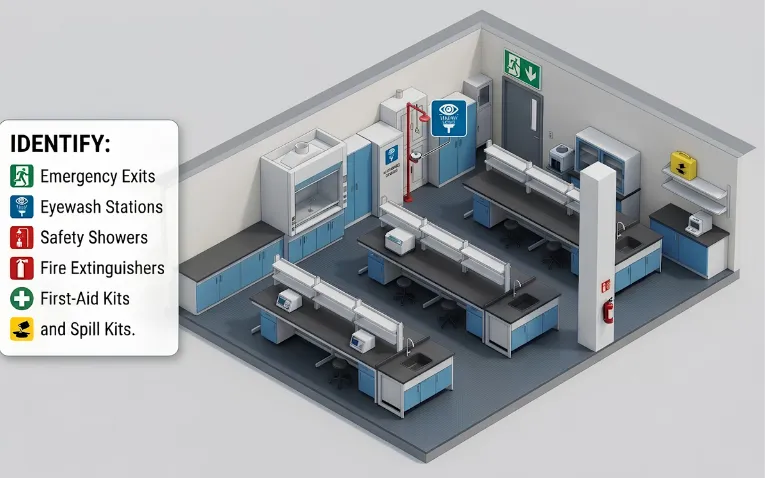
Before beginning work, identify the location of emergency exits, eyewash stations, safety showers, fire extinguishers, first-aid equipment and spill kits.
You should also know how to raise an alarm and whom to contact if an emergency occurs.
3. Read Instructions Before Starting an Experiment
Read the relevant procedure, risk assessment and safety information before starting an experiment.
Make sure you understand the hazards, required controls, PPE and emergency measures. If you are unsure about a procedure, ask a trained supervisor before proceeding.
4. Label Chemicals and Samples Clearly
All chemical containers and samples should be clearly and accurately labelled according to laboratory procedures.
Labels should provide the information needed to identify the material and understand relevant hazards. Never use an unidentified chemical or sample.
If a label is missing or damaged, follow your laboratory’s identification procedure and inform the responsible person.
5. Keep Your Work Area Clean and Organised
samples, instruments and equipment organised. Remove unnecessary materials from the workstation and clean the area according to laboratory procedures. For better organisation and safe material storage, see our guide to Science Lab Storage Cabinets.
6. Never Eat or Drink in the Laboratory
Food and drinks should not be consumed in laboratory work areas because they may become contaminated with chemicals, biological materials or other hazardous substances.
Keep food, drinks, cosmetics and other personal items away from laboratory workspaces.
7. Handle Chemicals Carefully
Read the chemical label and relevant safety information before handling a substance.
Use the required PPE, follow the approved procedure and understand the potential hazards before use. Never mix chemicals unless the procedure specifically requires it.
Some chemicals can react violently or produce toxic gases when combined.
8. Use a Fume Hood When Required
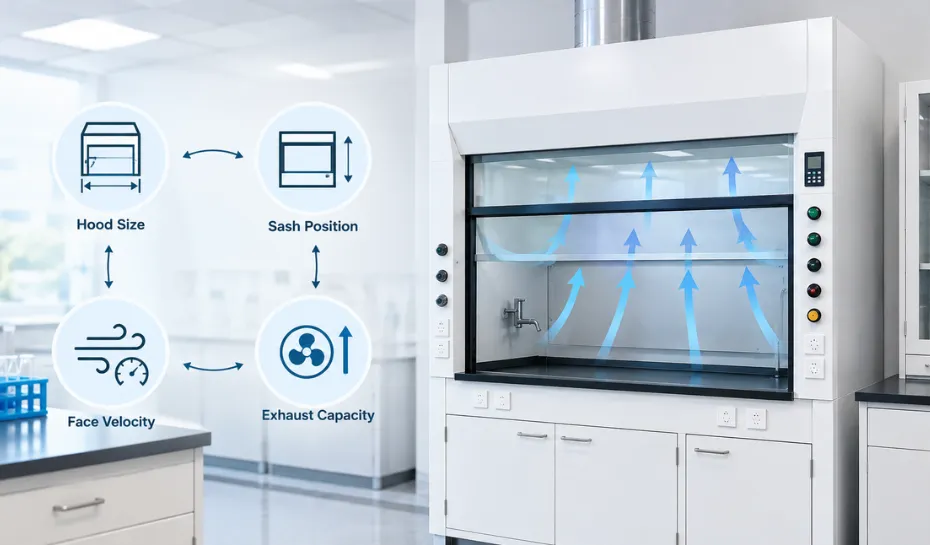
A fume hood is an engineering control designed to help contain and remove hazardous vapours, gases, fumes or aerosols during suitable laboratory procedures.
Use a fume hood when required by the chemical, process or laboratory procedure. Follow your laboratory’s operating instructions and never assume that every chemical activity is suitable for an open bench.
9. Handle Glassware Carefully
Inspect glassware before use and remove cracked, chipped or otherwise damaged items from service according to laboratory procedures.
Use appropriate tools and protective equipment when handling hot glassware. Broken glass should be placed in a designated glass or sharps container rather than ordinary waste.
10. Dispose of Laboratory Waste Correctly
Laboratory waste can include chemical waste, biological waste, sharps and broken glass. These materials may require different collection, storage and disposal methods.
Always use the designated waste container and follow your laboratory’s waste-management procedures. Never assume that hazardous laboratory waste can be disposed of with general waste.
11. Use Laboratory Equipment Only After Training
Laboratory instruments can create significant hazards when operated incorrectly.
Do not use unfamiliar equipment until you have received the appropriate training. Follow the manufacturer’s instructions and laboratory procedures, and ask a trained person for assistance when necessary.
12. Report Spills, Injuries and Accidents Immediately
Report spills, injuries, chemical exposures, biological exposures, equipment failures and other incidents promptly.
Even an incident that appears minor may require documentation, medical assessment, equipment inspection or corrective action. Follow your laboratory’s reporting and emergency procedures.
13. Keep Emergency Exits and Passages Clear
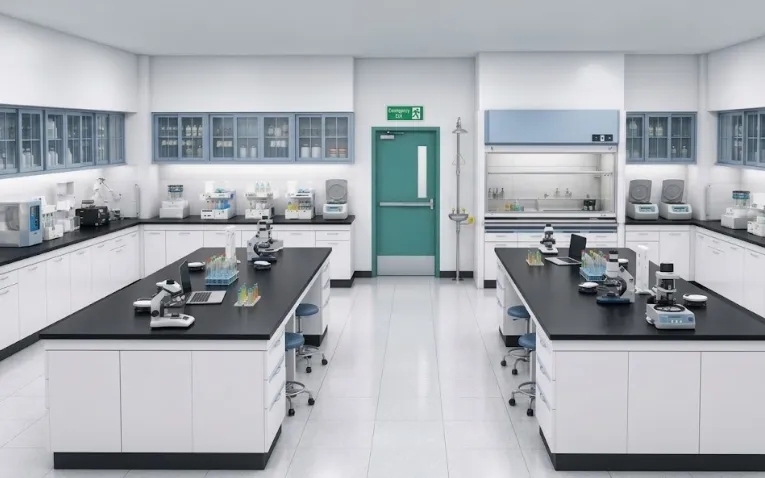
Do not place boxes, equipment, chemicals or other materials in emergency exits, walkways or access routes to safety equipment.
Clear circulation paths allow laboratory personnel to move safely and evacuate quickly during an emergency.
14. Check Equipment Before Use
Inspect laboratory equipment before starting work. Check relevant cables, plugs, containers, connections, guards and other components for visible damage or abnormal conditions.
Do not operate damaged or malfunctioning equipment unless it has been inspected and approved for use according to laboratory procedures.
15. Follow Electrical Safety Precautions
Keep electrical equipment and connections away from water and other liquids unless the equipment is specifically designed for such conditions.
Check cables and plugs for visible damage, avoid overloaded electrical outlets and use equipment only for its intended purpose.
Follow laboratory procedures for switching off, unplugging or isolating equipment when required.
16. Secure Loose Hair, Clothing and Jewellery
Loose hair, clothing and jewellery can become caught in moving equipment or come into contact with chemicals, heat or flames.
Tie back long hair and secure loose clothing before starting laboratory work. Remove or secure jewellery where it could create a hazard.
17. Wash Your Hands After Laboratory Work
Wash your hands after handling chemicals, biological materials, samples or laboratory equipment and before leaving the laboratory.
Hand washing remains important even when gloves have been worn because gloves can become contaminated and may develop unnoticed damage.
18. Follow the Lone-Working Policy
Some laboratory activities should not be performed alone because an accident, exposure or equipment failure could leave a person without immediate assistance.
Understand your organisation’s lone-working policy and follow any requirements for supervision, communication or another person to be present.
19. Follow Laboratory Warning Signs and Labels
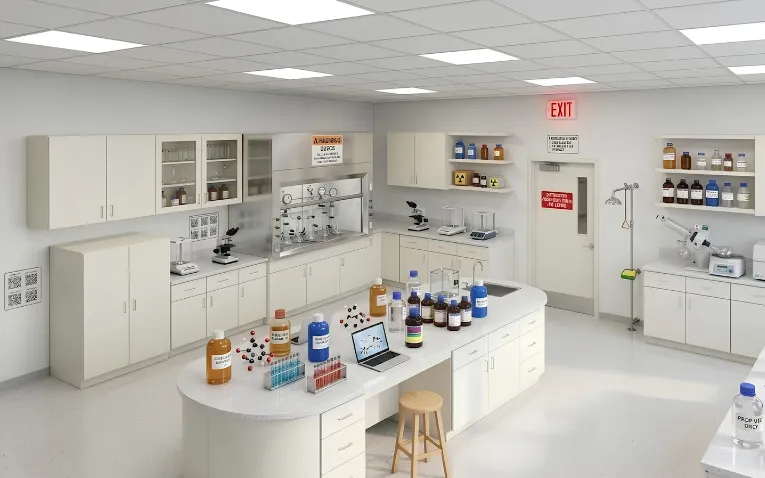
Laboratory signs and labels communicate information about hazards, restricted areas, required PPE, emergency procedures and safe working practices.
Read and follow these instructions rather than relying on assumptions about a particular room, chemical or process.
20. Know What to Do During an Emergency
Laboratory safety includes knowing how to respond when something goes wrong.
Understand the emergency procedures for chemical exposure, fire, spills, injuries, biological incidents and other foreseeable emergencies. Know how to raise an alarm, where emergency equipment is located and whom to contact.
What Are the Common Laboratory Hazards and Basic Precautions?
Understanding common hazards makes laboratory safety practices easier to apply because the appropriate controls depend on the type of hazard involved.
| Laboratory Hazard | Common Examples | Basic Precaution |
|---|---|---|
| Chemical | Corrosive, toxic or reactive substances | Follow chemical safety information and use suitable controls and PPE. |
| Biological | Microorganisms and biological samples | Follow containment, hygiene and handling procedures. |
| Physical | Glassware, sharps and moving equipment | Inspect equipment and handle materials correctly. |
| Electrical | Cables, instruments and power sources | Check equipment and keep electrical systems away from liquids. |
| Thermal | Hot plates, flames and heated equipment | Use suitable protection and handling procedures. |
| Radiation | Certain laboratory sources | Follow specific controls, training and radiation-safety procedures. |
Managing these hazards effectively starts during laboratory planning and setup. A turnkey approach can coordinate layout, laboratory furniture, utilities, ventilation, equipment positioning and installation as part of one project. Learn more about Turnkey Laboratory Solutions in India
What Basic Laboratory Safety Equipment Is Essential?
Laboratory safety depends on more than PPE. Appropriate engineering controls, emergency equipment and waste-management systems should also be provided according to the hazards and activities of the laboratory.
Common safety equipment may include:
- Laboratory coats
- Safety goggles or other eye protection
- Suitable protective gloves
- Fume hoods
- Eyewash stations
- Emergency showers
- Fire extinguishers
- First-aid equipment
- Spill kits
- Appropriate waste containers
- Clearly marked emergency exits
The exact safety equipment required should be determined by the laboratory’s hazard assessment, activities, chemicals, equipment and applicable procedures or regulations.
What Should Be Included in a Laboratory Safety Checklist?
Use this checklist before, during and after laboratory work.
| Before Work | During Work | After Work |
|---|---|---|
| Identify potential hazards | Follow the approved procedure | Dispose of waste correctly |
| Review relevant instructions | Keep the work area organised | Clean the workstation |
| Select appropriate PPE | Handle chemicals carefully | Wash your hands |
| Check equipment | Follow required safety controls | Store materials correctly |
| Locate emergency equipment | Report spills or incidents | Switch off equipment as required |
| Understand emergency procedures | Keep exits and access routes clear | Leave the work area safe |
What Should You Not Do in a Laboratory?
Some of the most important laboratory safety rules involve knowing what actions to avoid.
Do not:
- Eat or drink in laboratory work areas
- Use unidentified chemicals or samples
- Operate unfamiliar equipment without appropriate training
- Mix chemicals without an approved procedure
- Block emergency exits or emergency equipment
- Ignore spills, injuries, exposures or equipment damage
- Dispose of hazardous waste in unsuitable containers
- Work alone when laboratory procedures prohibit lone working
- Ignore warning signs, labels or safety instructions
- Use damaged glassware or laboratory equipment
- Perform procedures without understanding the relevant hazards and controls
What Laboratory Safety Tips Should Students and Professionals Follow?

The fundamental principles of laboratory safety apply to both students and experienced professionals, although their responsibilities may differ.
Students should:
- Follow instructions and laboratory procedures
- Use equipment only after receiving appropriate training
- Wear the required PPE
- Ask for help when they are unsure
- Report spills, injuries and unsafe conditions
Professionals may have additional responsibilities related to:
- Risk assessments
- Supervision and training
- Equipment maintenance
- Incident reporting
- Waste management
- Laboratory compliance
- Implementing corrective and preventive actions
Experience should never become a substitute for following established safety procedures. Familiar tasks can still present significant hazards.
How to Build Better Laboratory Safety Habits
Good safety practices are most effective when they become part of the normal laboratory workflow. A well-planned laboratory layout can support safer movement, organised work areas and better access to essential safety equipment. For practical guidance, see our How to Design a Successful Laboratory guide.
Before work: identify hazards, review procedures, select appropriate PPE and check equipment.
During work: follow the approved procedure, maintain good housekeeping, use required engineering controls and report unsafe conditions.
After work: dispose of waste correctly, clean the workstation, store materials safely, wash your hands and leave equipment in the required condition.
This approach makes laboratory safety proactive rather than reactive.
Conclusion
Laboratory safety tips are essential for preventing injuries, chemical exposure, contamination, fires and equipment-related accidents. The key practices are to identify hazards, wear appropriate PPE, follow approved procedures, handle chemicals correctly, keep work areas organised, use equipment safely, dispose of waste properly and know the emergency response procedures.
Safe laboratory work also depends on a well-planned environment. Appropriate laboratory layouts, storage, workstations and safety equipment can help support safer and more efficient workflows. Santech Labs, a trusted laboratory furniture manufacturer, provides laboratory furniture solutions designed to support organised, functional and safety-conscious laboratory environments.
Always follow your laboratory’s specific safety procedures and training requirements, as the appropriate precautions depend on the hazards, equipment and activities involved.